

 City Tour
Introduction
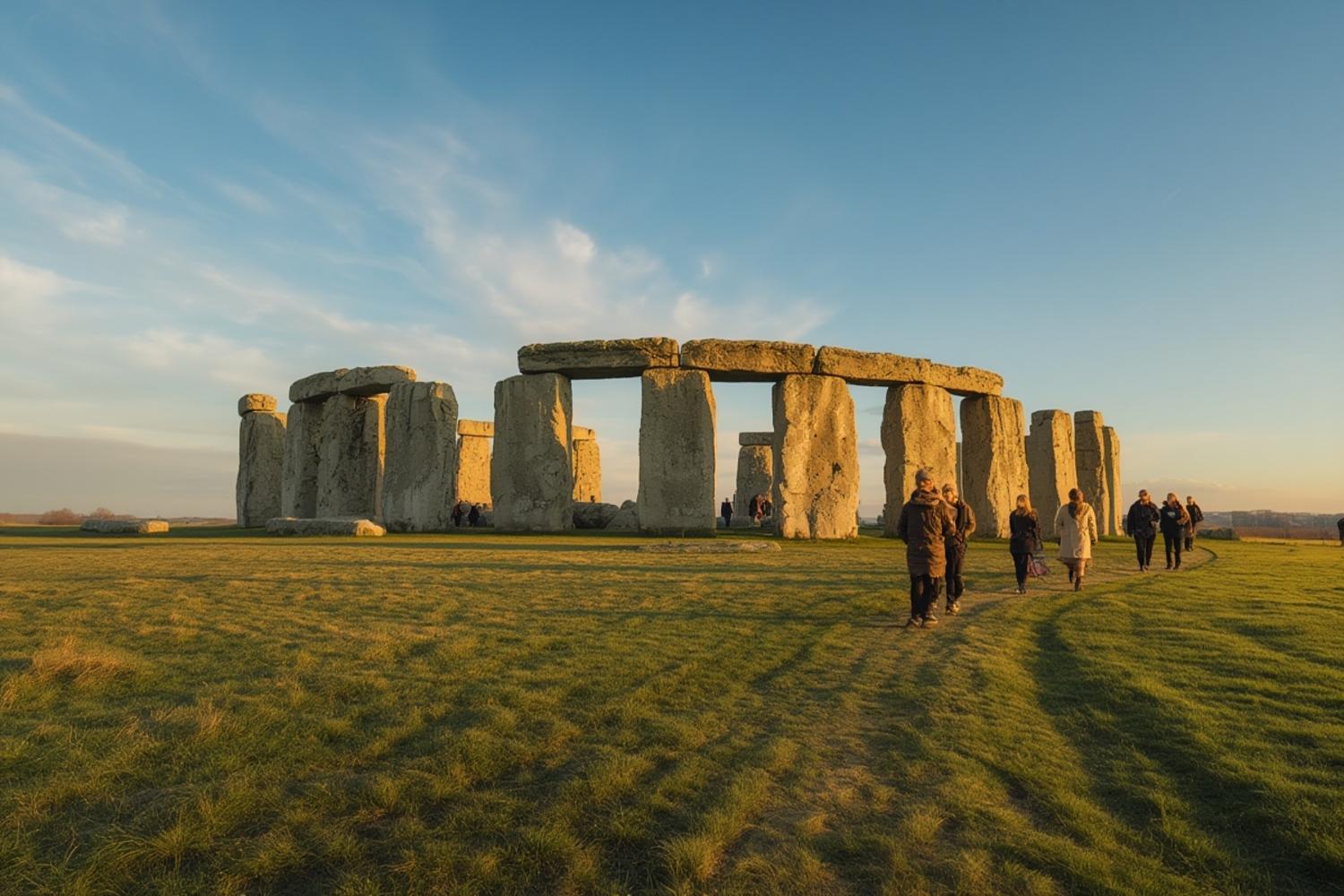
Stepping onto the Salisbury Plain, one cannot help but feel the palpable presence of millennia past. The colossal stone circle of Stonehenge stands as an enduring testament to human ingenuity and an eternal riddle etched into the landscape. For centuries, scholars, mystics, and travelers alike have been captivated by the Stonehenge Mysteries, seeking to unravel its purpose and the secrets it holds. This iconic UNESCO World Heritage site is more than just a collection of ancient rocks; it is a gateway to a world of prehistoric beliefs, astronomical alignments, and engineering marvels that continue to baffle modern minds. Join us as we delve deep into the heart of this ancient monument, exploring its enigmatic allure and equipping you with the ultimate guide for an unforgettable visit. Prepare to journey back in time and experience the profound sense of wonder that only Stonehenge can inspire.
Table of Contents
Travel Essentials & Gear
Embarking on an exploration of Stonehenge requires thoughtful preparation to ensure a comfortable and enriching experience, regardless of the season. The exposed nature of the Salisbury Plain means weather can be unpredictable, often changing rapidly. Therefore, dressing in layers is paramount; consider thermal undergarments, a warm mid-layer, and a waterproof and windproof outer shell. Sturdy, comfortable walking shoes are also a non-negotiable item, as you’ll be on your feet traversing the grounds around the monument, and the terrain can be uneven. Protecting yourself from the elements, whether sun or rain, will significantly enhance your enjoyment of the Stonehenge Mysteries.
Beyond clothing, essential gear includes a good quality camera to capture the majestic stones against the vast sky – perhaps even a tripod if you’re keen on time-lapses or low-light photography. A portable power bank for your devices is always a smart addition, ensuring your phone or camera battery doesn’t die mid-discovery. Don’t forget a refillable water bottle to stay hydrated, and perhaps some light snacks, as on-site options can be limited or pricey. Carrying a small, comfortable backpack will allow you to keep all your essentials organized and easily accessible without feeling encumbered. Lastly, a detailed guidebook or a downloaded audio guide will provide invaluable insights into the history and theories surrounding the stones, transforming your visit from a mere sight-seeing trip into an educational journey through time. Being well-prepared for your exploration of the Stonehenge Mysteries guarantees a focus on discovery rather than discomfort.
Best Timing & Planning
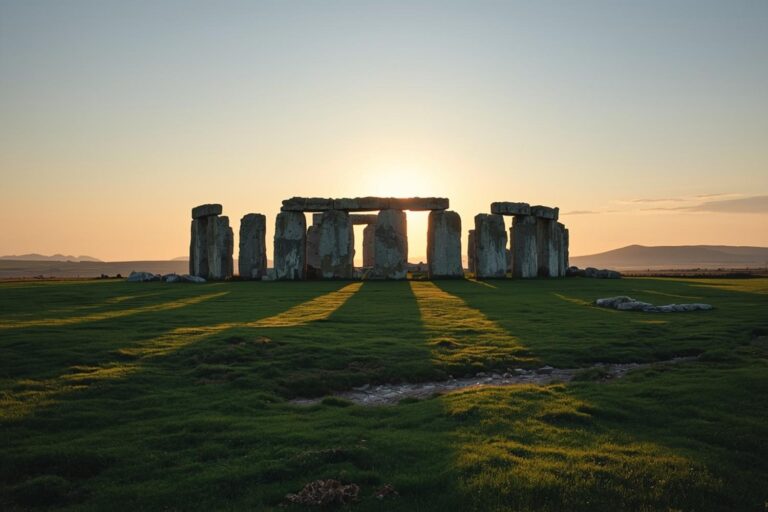
Choosing the optimal time to visit Stonehenge can profoundly impact your experience, balancing crowd levels with weather conditions and specific interests. Spring (April-May) and autumn (September-October) are often considered ideal, offering milder temperatures and generally fewer visitors than the peak summer months. During these shoulder seasons, the light can be particularly beautiful for photography, casting dramatic shadows that enhance the ancient structure’s mystique. Summer, while providing the longest daylight hours and often warmer weather, also attracts the largest crowds, making for a bustling atmosphere.
Winter brings a stark, almost ethereal beauty to the site, with fewer tourists and the potential for frosty landscapes, though colder temperatures and shorter days are to be expected. For those fascinated by astronomical alignments, the solstices (summer and winter) and equinoxes draw significant crowds, offering a unique opportunity to witness special access events and experience the site as ancient peoples might have, though these events require pre-booking far in advance. Regardless of the season, booking your tickets online well ahead of your travel date is highly recommended. This ensures your entry and can often save you time and money, allowing for a smoother start to your exploration of the site’s rich history. Consider a guided tour from London, Windsor, or Bath for convenient transportation and expert insights into the Stonehenge Mysteries.
Step-by-Step Itinerary
A well-planned itinerary is crucial for maximizing your visit to this iconic prehistoric monument, ensuring you absorb its full historical and cultural significance. Most visitors opt for a day trip, often departing from London, which offers a range of convenient transportation options, including guided bus tours that handle logistics seamlessly. Your day typically begins with an early morning departure, allowing you to reach the site before the largest crowds descend. The journey itself often provides scenic views of the English countryside, building anticipation for the awe-inspiring destination ahead.
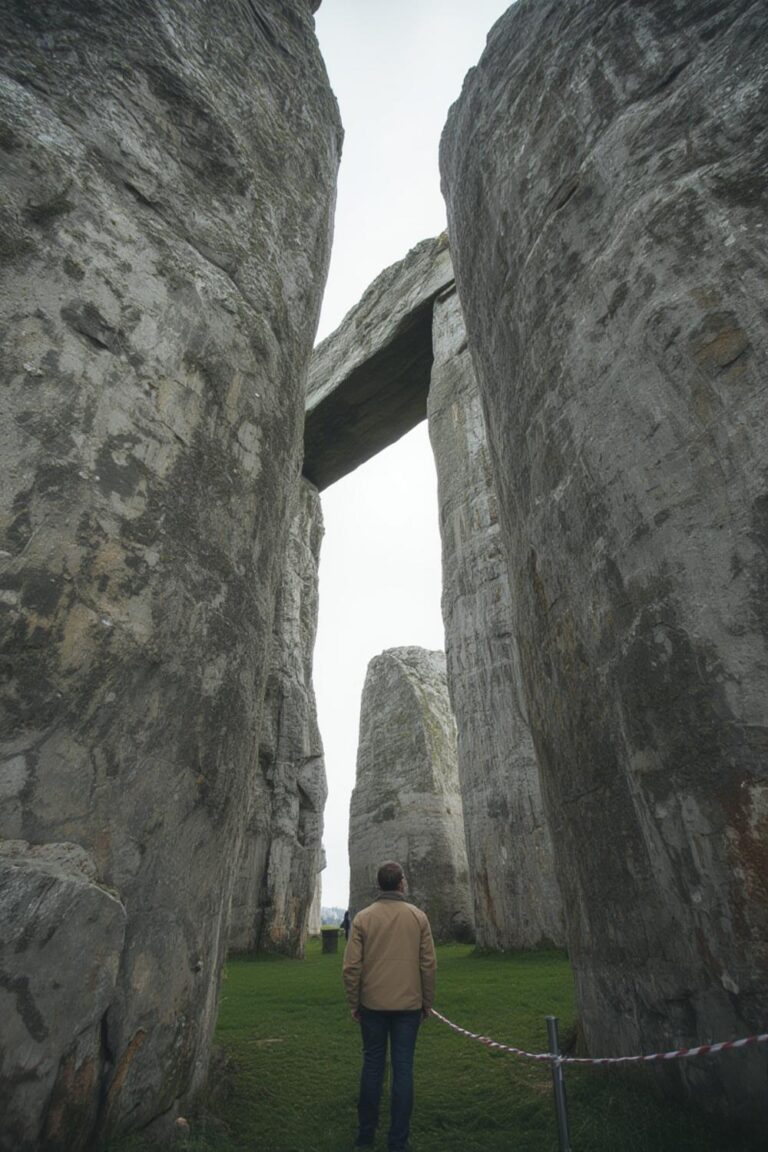
Upon arrival at the Stonehenge Visitor Centre, allocate time to explore the excellent exhibition, which provides context to the stones through archaeological finds, interactive displays, and engaging narratives about the lives of the people who built them. Don’t miss the reconstructed Neolithic houses, offering a glimpse into ancient living. From the visitor centre, a shuttle bus transports you to the stone circle itself, a short and comfortable ride. Once at the stones, take your time to walk the designated path that encircles the monument. An audio guide, available in multiple languages, is highly recommended as it narrates fascinating facts and theories about its construction, purpose, and the prevailing Stonehenge Mysteries as you gaze upon the megaliths.
Allow at least 1.5 to 2 hours at the stone circle and visitor centre combined to fully appreciate the scale and history. After your profound experience with the ancient stones, many tours include stops at nearby attractions such as the charming city of Salisbury, home to a magnificent cathedral, or the historic Roman baths of Bath, depending on your chosen itinerary. This combination allows for a diverse and enriching day out, moving from the profound history of the Stone Age to later periods of British heritage. Finally, the return journey provides an opportunity to reflect on the immense scale of human endeavor and the enduring questions posed by the timeless monument. A carefully structured day ensures a deep dive into the essence of the Stonehenge Mysteries.
Cultural Insights
The cultural significance of Stonehenge extends far beyond its physical presence; it is deeply interwoven with ancient beliefs, societal structures, and our ongoing quest to understand prehistoric civilizations. The exact purpose of Stonehenge remains one of the world’s greatest archaeological enigmas, fuelling endless theories and scholarly debate. Was it a sophisticated astronomical observatory, precisely aligned with the solstices and equinoxes, used by Neolithic and Bronze Age peoples to track the sun and moon? Or perhaps it served as a sacred burial ground, evidenced by the numerous human remains found around the site, suggesting a spiritual connection to ancestors and the afterlife? Some theories propose it was a place of healing, with stones possessing mystical properties, drawing pilgrims from across ancient Britain.
Its construction, involving massive sarsen and bluestones transported over significant distances, points to a highly organized society with advanced engineering skills and a profound understanding of Sacred Geometry. The sheer effort and coordination required to erect such a monument speak volumes about the collective will and spiritual drive of its builders. Respect for the site is paramount; it stands as a sacred space to many, including modern-day pagans and druids who continue to hold ceremonies there, particularly during the solstices. Understanding the historical context – the transition from hunter-gatherer societies to agricultural communities – helps illuminate the potential needs and motivations behind such a monumental undertaking. Engaging with these cultural insights transforms a simple visit into a profound journey into the heart of ancient human experience and the enduring Stonehenge Mysteries.
Common Mistakes to Avoid
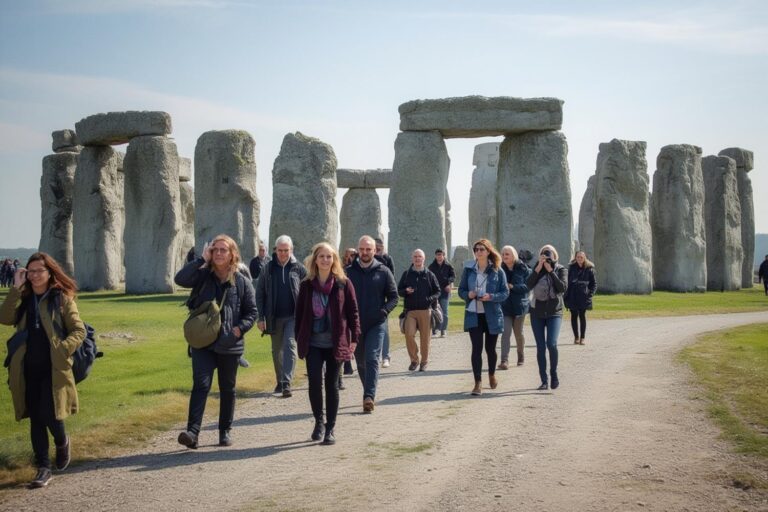
Even with the best intentions, travelers can inadvertently diminish their Stonehenge experience by making common errors. Avoiding these pitfalls will ensure your visit is as smooth and enriching as possible. One of the most frequent mistakes is failing to book tickets in advance, especially during peak season or for special events like the solstices. Stonehenge is incredibly popular, and turning up without a reservation can lead to long queues, disappointment if tickets are sold out, or unnecessary delays in your travel plans. Always check the official website and secure your entry well ahead of time to guarantee access.
Another common oversight is underestimating the unpredictable British weather. Visitors often dress inadequately, arriving in light clothing only to be met with biting winds or sudden rain showers on the exposed Salisbury Plain. Layers, a waterproof jacket, and comfortable, sturdy shoes are essential, irrespective of the forecast. Additionally, some visitors rush their experience, treating Stonehenge as just a photo opportunity rather than a deep dive into history. Allocate sufficient time, not just for the stones themselves, but also for the excellent visitor centre, the museum, and the reconstructed Neolithic houses. These elements provide crucial context and enhance your understanding of the Stonehenge Mysteries.
Neglecting the audio guide is another missed opportunity. The commentary offers invaluable historical information, archaeological insights, and theories, bringing the stones to life in a way that simply viewing them cannot. Similarly, forgetting to charge your camera or phone can be frustrating when faced with such an iconic photo subject. Finally, be mindful of environmental etiquette: stick to designated paths, do not litter, and respect the ancient nature of the site. Avoiding these common mistakes will ensure your exploration of the Stonehenge Mysteries is truly memorable and respectful of its profound heritage.
Conclusion
The journey through the Stonehenge Mysteries is more than just a visit to an ancient monument; it is an immersive step back in time, an encounter with the ingenuity and spiritual depth of our ancestors. From its mind-boggling construction to its debated purposes as an astronomical clock, a sacred burial site, or a place of healing, Stonehenge continues to inspire awe and curiosity in all who stand before its mighty sarsens and bluestones. The profound sense of connection to a distant past, the contemplation of Ancient Rituals, and the sheer scale of human ambition embodied in these stones leave an indelible mark on every traveler. We hope this guide empowers you to plan your own perfect pilgrimage to this iconic site, fostering a deeper appreciation for one of the world’s most enduring wonders. Remember to embrace the enigma, prepare thoughtfully, and allow yourself to be fully captivated by the timeless magic of Stonehenge. Safe travels, and may your exploration be as enlightening as the monument itself.
FAQs
What is the best way to get to Stonehenge from London?
The most convenient and popular way to reach Stonehenge from London is by joining a guided bus tour. These tours typically offer round-trip transportation, often combining Stonehenge with visits to other nearby attractions like Bath or Windsor Castle, providing a comprehensive day trip. Alternatively, you can take a train from London Waterloo to Salisbury, then catch a local bus (the Stonehenge Tour bus) or a taxi to the monument. Driving is another option, with approximately a 1.5 to 2-hour journey, but parking availability should be checked in advance, and pre-booking tickets is still essential. Each transportation method offers different levels of flexibility and ease for experiencing the Stonehenge Mysteries.
How much time should I allocate for a visit to Stonehenge?
To fully appreciate Stonehenge and its surrounding facilities, it’s recommended to allocate at least 2 to 3 hours for your visit. This allows sufficient time to explore the Visitor Centre, which houses an extensive exhibition, archaeological artifacts, and reconstructed Neolithic houses that provide crucial historical context. You will also have ample time to take the shuttle bus to the stone circle, walk the path around the monument, and listen to the informative audio guide. Rushing your visit means you might miss out on key details and the profound sense of history that permeates the site, hindering a full understanding of the Stonehenge Mysteries.
Can I touch the stones at Stonehenge?
Generally, public access to the inner stone circle at Stonehenge is restricted to protect the ancient monument from damage and ensure its preservation. Visitors are typically required to stay on the designated path that encircles the stones, allowing for excellent viewing and photography opportunities without direct contact. However, English Heritage, the organization that manages Stonehenge, occasionally offers special “Stone Circle Access” tours. These pre-booked tours allow small groups to enter the inner circle outside of regular visiting hours, offering a unique and closer experience with the stones. These special access tours provide a deeper connection to the Sacred Geometry and history of the Stonehenge Mysteries.
What are the main theories behind Stonehenge’s purpose?
The true purpose of Stonehenge remains one of its most enduring Stonehenge Mysteries, leading to several prominent theories. One widely accepted theory suggests it was a sophisticated prehistoric calendar or astronomical observatory, with its alignments precisely marking the solstices and equinoxes, crucial for ancient agricultural cycles and spiritual practices. Another theory posits it as a sacred burial ground and a place of ancestor worship, supported by the discovery of numerous human remains around the site. Some scholars also believe it may have been a center for healing, drawing people from far and wide due to perceived mystical properties of its stones. Each theory highlights the complex spiritual, scientific, and social aspects of the ancient cultures who created this monumental structure.
Is Stonehenge accessible for people with disabilities?
Stonehenge is committed to providing accessibility for all visitors. The Visitor Centre is fully accessible, featuring ramps, accessible toilets, and level pathways. The shuttle bus that transports visitors from the centre to the stone circle is also accessible, accommodating wheelchairs. At the stone circle itself, a hard-surfaced path encircles the monument, ensuring wheelchair and pushchair access around the main viewing area. However, some of the surrounding grassed areas may be uneven. Accessible parking spaces are available, and wheelchairs can often be borrowed from the Visitor Centre. It’s always advisable to check the official English Heritage website or contact them directly for the most up-to-date accessibility information and any specific requirements for experiencing the Stonehenge Mysteries.

