

 Mountain Tours
Introduction
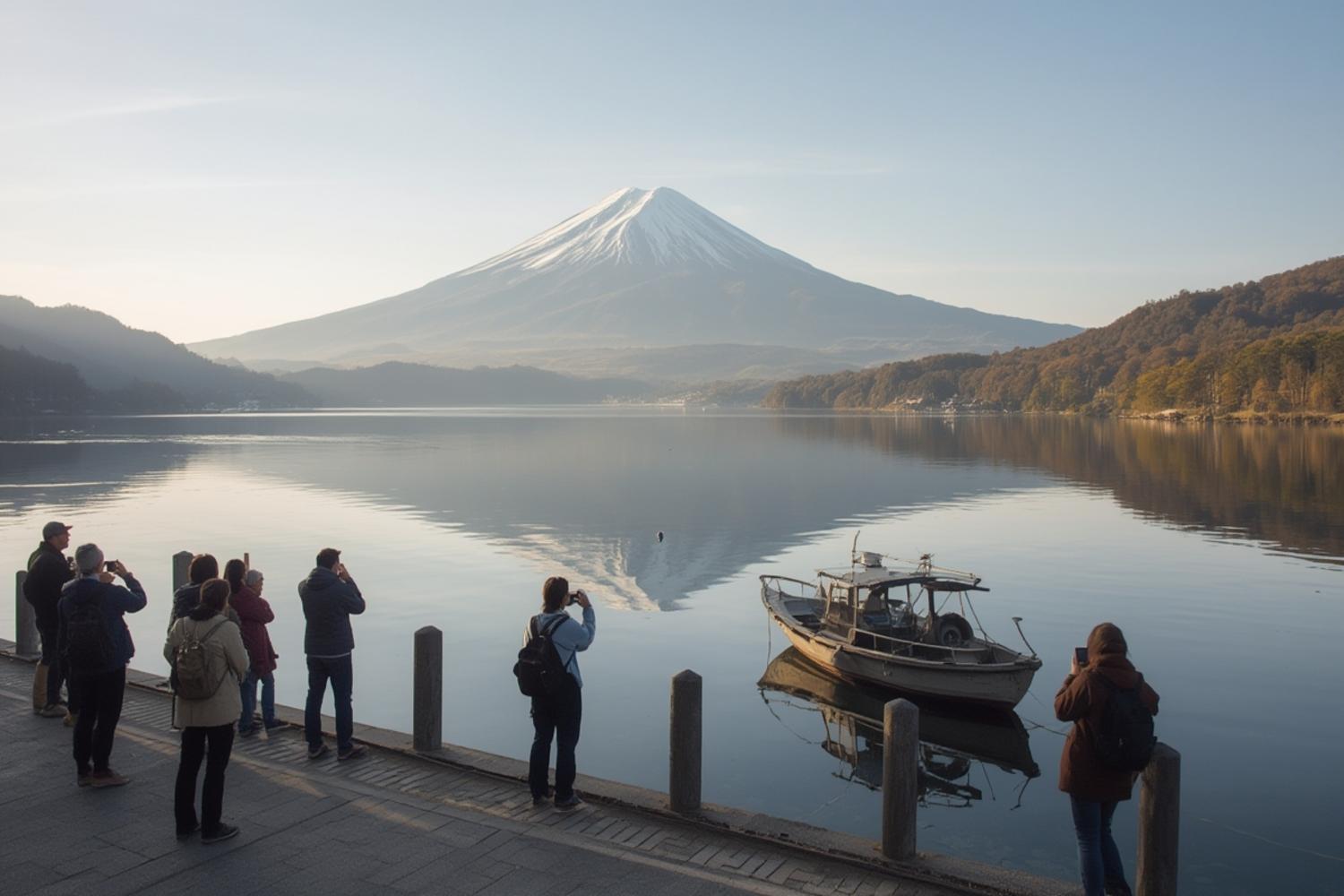
Embarking on a Fuji Day Trip from Tokyo is an unforgettable adventure, offering breathtaking views of Japan’s most iconic mountain. This guide provides comprehensive insights to plan your perfect escape, ensuring you experience the majestic beauty of Mount Fuji and its surrounding natural wonders. Discover the best routes, hidden gems, and essential travel tips for a seamless journey.
Table of Contents
Many visitors choose to depart from Tokyo, making it an accessible and highly recommended excursion. Prepare to immerse yourself in stunning landscapes and rich Japanese culture on this remarkable tour.
Travel Essentials & Gear
Preparing the right essentials is crucial for a comfortable and enjoyable Fuji Day Trip. Weather around Mount Fuji can be unpredictable, so layers are always recommended.
- Comfortable walking shoes are a must, as you’ll be exploring various sites like parks and lakeside areas.
- A lightweight, waterproof jacket or umbrella is advisable, especially during spring and autumn, to guard against sudden showers.
- Sunscreen, sunglasses, and a hat are important for sun protection, even on cloudy days, due to the higher elevation.
- A portable power bank for your phone or camera ensures you won’t miss capturing any of the stunning vistas.
- Bring a small backpack to carry water, snacks, and any souvenirs you might collect along the way.
- Consider bringing a camera with a good zoom lens to truly capture the grandeur of Mount Fuji from a distance.
- Personal medications and a small first-aid kit are always wise additions to your travel gear.
- Cash for smaller vendors or rural shops, although major attractions accept cards.
Having these items will significantly enhance your experience and allow you to fully enjoy every moment of your exploration around the Fuji Five Lakes region.
Best Timing & Planning
Choosing the optimal time for your Fuji Day Trip can significantly impact your views of Mount Fuji. The clearest views are typically enjoyed during the colder months, from autumn to early spring (November to March), when the air is crisp and clear. Winter often provides stunning, snow-capped Fuji backdrops.
However, spring (April to May) offers the beauty of cherry blossoms, while autumn (October to November) showcases vibrant fall foliage, adding another layer of visual splendor. Summer (June to September) can be cloudier and hazier, making views less consistent, though it’s popular for climbing Mount Fuji itself (which is a multi-day trip, not a day trip). Early mornings are generally best for clear sightings, regardless of the season.
Planning your transportation in advance is also key. Consider booking train tickets or bus tours from Tokyo well ahead of time, especially during peak travel seasons. Many Tokyo Fuji Tours offer convenient packages that handle all logistical aspects for you, simplifying your travel plans. Researching local bus schedules around the Fuji Five Lakes area is also beneficial if you plan to explore independently.
Step-by-Step Itinerary
A well-structured itinerary ensures you make the most of your Fuji Day Trip. Starting early from Tokyo is highly recommended to maximize your daylight hours and avoid crowds. Here’s a suggested flow for an unforgettable day.
Morning: Journey to Fuji & Panoramic Views
Begin your day by taking a direct bus or train from Shinjuku or Tokyo Station to the Kawaguchiko area, which serves as an excellent base for exploring. The journey typically takes about 2-2.5 hours. Upon arrival, head straight to Arakurayama Sengen Park.
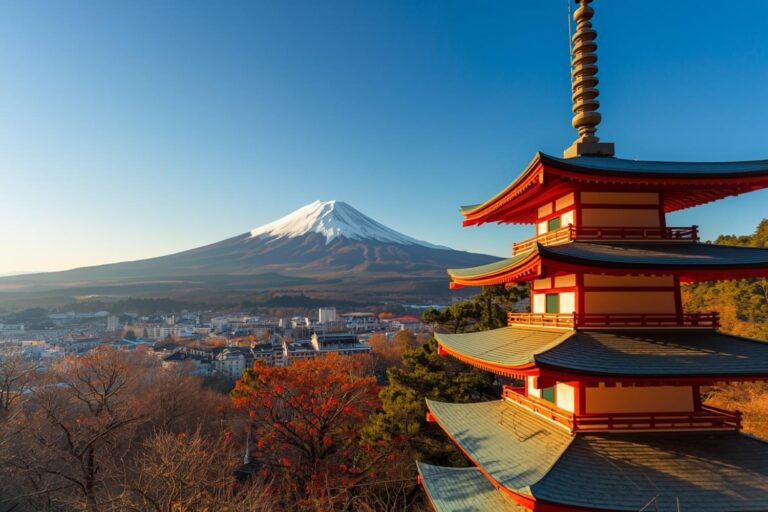
Arakurayama Sengen Park offers one of the most iconic views of Mount Fuji, framed by the Chureito Pagoda. The climb to the pagoda involves a few hundred steps, but the panoramic reward is absolutely worth the effort. Spend ample time here capturing photographs and soaking in the majestic scenery. This spot is particularly popular during cherry blossom season, but it is stunning year-round. Don’t forget to visit the main shrine before or after your climb.
Midday: Lakeside Serenity & Traditional Villages
After experiencing Arakurayama Sengen Park, make your way to Lake Kawaguchiko. Enjoy a leisurely stroll along the lake’s shore, rent a swan boat, or take the Kachi-Kachi Ropeway for aerial views of the lake and Mount Fuji. There are numerous charming cafes and restaurants around the lake where you can enjoy a traditional Japanese lunch.
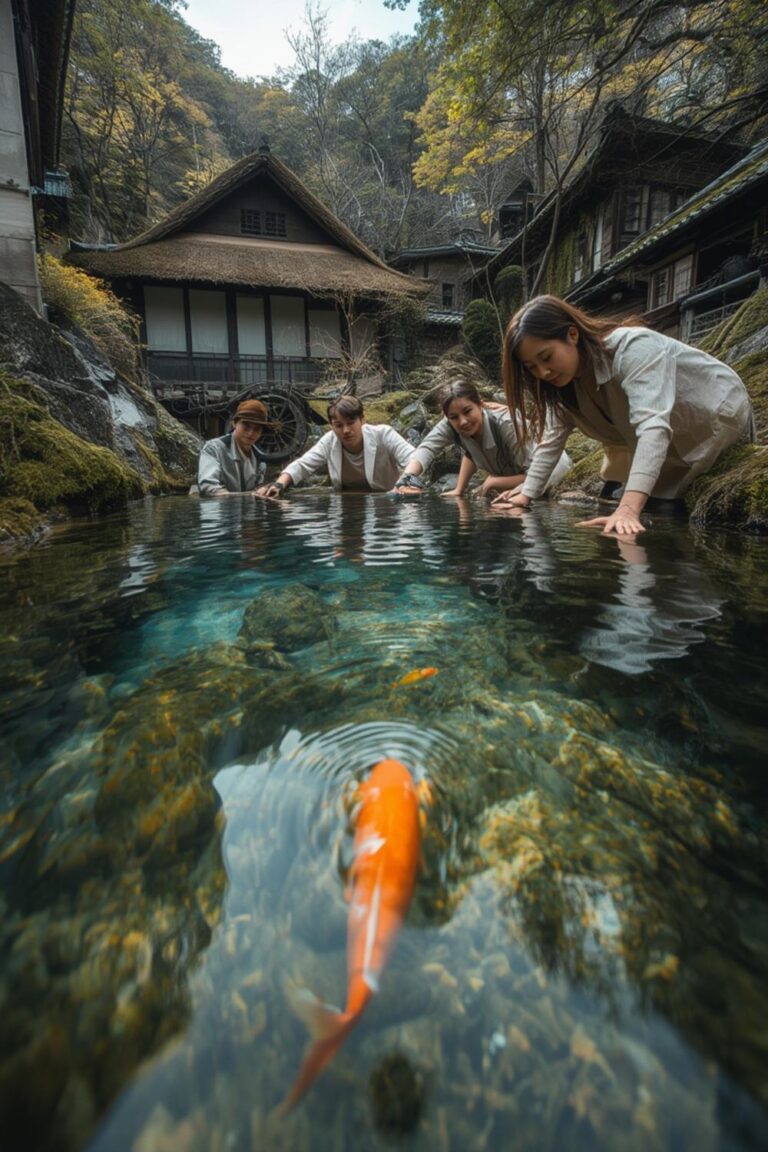
Next, journey to Oshino Hakkai Springs, a collection of eight crystal-clear ponds fed by melted snow from Mount Fuji. This traditional Japanese village offers picturesque thatched-roof houses and vibrant koi fish, providing a glimpse into rural Japanese life. The spring water is renowned for its purity and is even bottled and sold locally. It’s a tranquil spot for cultural reflection and unique photo opportunities, showcasing local culture and serene landscapes.
Afternoon: Artistic Stops & Return to Tokyo
In the late afternoon, depending on your pace, consider a visit to the Itchiku Kubota Art Museum near Lake Kawaguchiko, famous for its exquisite kimono collection. Alternatively, explore the Kawaguchiko Music Forest Museum for a whimsical experience with automatic musical instruments. These cultural stops offer a different perspective of the region’s artistic heritage. Ensure you allocate enough time for your chosen activity before heading back.
Plan to depart from the Kawaguchiko area in the late afternoon or early evening to avoid rush hour back into Tokyo. Buses and trains run regularly, but it’s always best to check schedules in advance. This comprehensive itinerary allows you to fully experience the beauty and unique attractions of the Fuji region.
Cultural Insights
Visiting the Mount Fuji region offers a wonderful opportunity to delve into local culture and traditions. Mount Fuji itself is a sacred symbol in Japan, revered for centuries as a source of artistic inspiration and spiritual pilgrimage. Understanding its significance enhances your travel experience.
When visiting shrines like Arakurayama Sengen Shrine, observe local etiquette: bow before entering and leaving the torii gate, cleanse your hands and mouth at the purification fountain (temizuya), and avoid loud noises. At Oshino Hakkai Springs, appreciate the traditional architecture and the careful preservation of natural resources. These spring waters are considered sacred and are often used in local ceremonies.
Food is another essential aspect of local culture. Try regional specialties such as Hoto noodles, a hearty miso-based stew with thick udon-like noodles and vegetables, especially comforting on a cooler day. Learning a few basic Japanese phrases like “Arigato” (thank you) or “Konnichiwa” (hello) can also open doors to more meaningful interactions with locals. Embrace the tranquil pace and respectful customs to fully appreciate the region’s unique charm.
Common Mistakes to Avoid

To ensure a smooth and enjoyable Fuji Day Trip, be aware of common pitfalls that can detract from your experience. Proper preparation and realistic expectations are key.
One major mistake is underestimating travel time. While Mount Fuji appears close to Tokyo, transportation can take 2-3 hours each way, especially considering potential traffic. Always factor in ample travel time and aim for early departures. Not booking transportation in advance, particularly during peak season or holidays, can also lead to long waits or sold-out tickets.
Another common error is failing to check the weather forecast. Mount Fuji is often shrouded in clouds, and clear views are not guaranteed, even on a sunny day in Tokyo. Check multiple forecasts for the specific Fuji region on the day of your trip. Also, dressing inappropriately is a mistake; layers are essential as temperatures can vary significantly from Tokyo and throughout the day at higher elevations.
Over-scheduling your itinerary is another pitfall. While there are many attractions, trying to see everything in one day can lead to a rushed and less enjoyable experience. Prioritize a few key sites and allow for flexibility. Finally, neglecting to carry cash for smaller shops or bus fares in more rural areas can be inconvenient, as not all places accept credit cards.
Conclusion
A well-planned Fuji Day Trip offers an incredible escape from the urban bustle of Tokyo, providing a chance to witness Japan’s iconic natural beauty. From the panoramic vistas at Arakurayama Sengen Park to the tranquil waters of Oshino Hakkai Springs, the region is rich with stunning landscapes and cultural insights. By following these travel tips and preparing adequately, you are set for a memorable adventure.
Whether you opt for independent exploration or a guided experience, the majesty of Mount Fuji promises a truly inspiring journey. Consider exploring various Tokyo Fuji Tours to find the perfect fit for your travel style and preferences. Embrace the beauty, enjoy the local culture, and make lasting memories of this magnificent destination.
FAQs
Q1: What is the best way to get to Mount Fuji from Tokyo for a day trip?
A1: The most common and efficient ways to reach the Fuji Five Lakes region (like Kawaguchiko) from Tokyo are by direct highway bus from Shinjuku Expressway Bus Terminal or Tokyo Station, which takes approximately 2-2.5 hours. Alternatively, you can take a train, typically involving a transfer at Otsuki Station to the Fujikyuko Line, which also takes around 2-2.5 hours but can be slightly more expensive. Many organized Tokyo Fuji Tours also offer convenient round-trip transportation.
Q2: Can I climb Mount Fuji as part of a Fuji Day Trip?
A2: No, climbing Mount Fuji is not feasible as a day trip. The climbing season typically runs from early July to early September, and it requires at least an overnight stay (usually one night on the mountain) due to the altitude, physical demands, and the time required to reach the summit and descend safely. A day trip focuses on enjoying the views of Mount Fuji and exploring its surrounding areas like the Fuji Five Lakes.
Q3: What are the must-see spots on a Fuji Day Trip?
A3: For a classic Fuji Day Trip, must-see spots include Arakurayama Sengen Park for its iconic view of Fuji with the Chureito Pagoda, Lake Kawaguchiko for serene lakeside views and activities, and Oshino Hakkai Springs for its traditional village atmosphere and crystal-clear ponds. Depending on your interests and time, the Kachi-Kachi Ropeway and various museums around Lake Kawaguchiko are also highly recommended.
Q4: Is it necessary to book a Fuji Day Trip tour, or can I go independently?
A4: You can absolutely go independently on a Fuji Day Trip, especially if you prefer flexibility and planning your own itinerary. Public transportation options are robust. However, booking a tour can be more convenient as it often includes transportation, a guide, and a curated itinerary, saving you the hassle of navigating logistics, particularly for first-time visitors to Japan. Consider your comfort level with independent travel and your desire for flexibility versus convenience.
Q5: What kind of weather should I expect during a Fuji Day Trip?
A5: Weather around Mount Fuji can be quite variable and often differs from Tokyo. Even on a clear day in Tokyo, Fuji can be shrouded in clouds. Generally, autumn and winter offer the clearest views due to lower humidity. Temperatures will be cooler than in Tokyo, especially at higher elevations or near lakes. Always check the local forecast for the Fuji Five Lakes region on the day of your trip and dress in layers to adapt to changing conditions. Expect crisp, clear air in cooler months and potentially warmer, hazier conditions in summer.

