

 Mountain Tours
Introduction
Embark on an unforgettable journey into the heart of California’s most iconic national park. Planning a trip to this natural wonder from the Golden Gate City is now easier than ever, thanks to comprehensive tour options. Prepare for an adventure that promises breathtaking landscapes and memories to last a lifetime, especially with a Yosemite Premium experience.
Table of Contents
This guide serves as your essential resource, meticulously crafted to help you navigate the logistics, discover hidden gems, and fully immerse yourself in the majestic beauty of Yosemite. From detailed itineraries to crucial travel tips, we cover everything you need for a seamless and enriching visit.
Travel Essentials & Gear
Preparing adequately is key to enjoying your time amidst Yosemite’s grandeur. The park’s diverse terrain and varying microclimates necessitate a thoughtful packing strategy. Consider layers for changing weather conditions, even during summer months.
- Sturdy hiking boots are paramount for exploring trails and ensuring comfort on uneven paths.
- A reusable water bottle is essential; hydration stations are available throughout the park.
- Sunscreen, a wide-brimmed hat, and sunglasses will protect you from intense high-altitude sun exposure.
- Pack a lightweight rain jacket or poncho, as afternoon showers can occur unexpectedly.
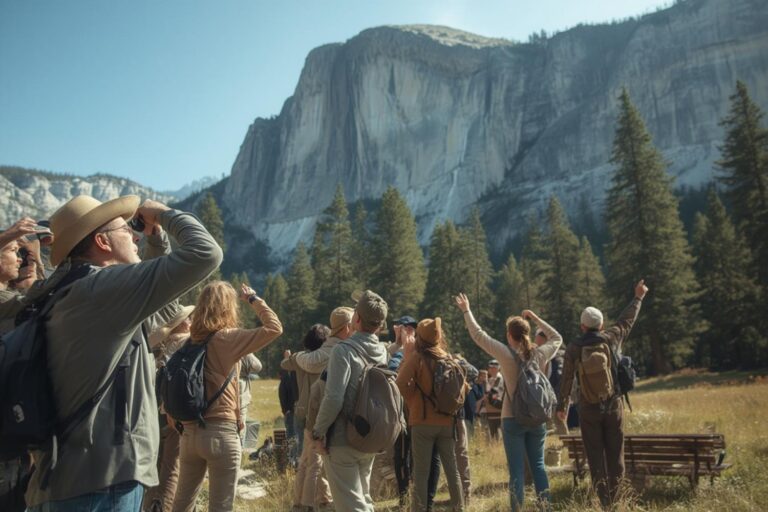
- Binoculars enhance your wildlife viewing experience and allow for closer appreciation of distant geological formations.
- A high-quality camera with extra batteries is a must for capturing the park’s unparalleled scenic beauty.
- Snacks and a packed lunch are advisable, especially if you plan extensive hiking, as food options can be limited in certain areas.
- A small backpack will comfortably carry your daily essentials, keeping your hands free for exploration.
- Bring insect repellent, particularly if visiting during warmer months or exploring near water sources.
- Navigation tools, such as a physical map or a downloaded offline map, are crucial due to unreliable cell service within the park.
These essentials ensure you are well-equipped for an enjoyable and safe Yosemite Premium adventure, regardless of the season. Thoughtful preparation elevates your overall experience, allowing you to focus on the awe-inspiring surroundings.
Best Timing & Planning
Choosing the optimal time to visit Yosemite National Park significantly impacts your experience. Each season offers a unique perspective on this natural wonder, from cascading spring waterfalls to snow-dusted winter landscapes. Spring and early summer are popular for their powerful waterfalls and lush greenery.
Autumn brings vibrant fall foliage and fewer crowds, offering serene hiking conditions. Winter transforms the valley into a snowy wonderland, perfect for cross-country skiing and snowshoeing, with stunning frosted vistas. Weekdays generally see fewer visitors than weekends, providing a more tranquil atmosphere.
Advance planning is crucial, especially for accommodations and popular activities. Securing tour reservations, particularly for a San Francisco day trip to Yosemite, well in advance is highly recommended. Check the official park website for road conditions, trail closures, and any required entry reservations before your visit. Understanding the local culture of responsible tourism helps preserve this pristine environment for future generations.
Step-by-Step Itinerary
A well-structured itinerary ensures you make the most of your visit, blending iconic sights with opportunities for personal exploration. This suggested plan maximizes your time, whether you’re on a quick San Francisco day trip or spending more time in the park. Start your day early to beat the crowds and fully appreciate the tranquility.
Morning: Yosemite Valley Exploration
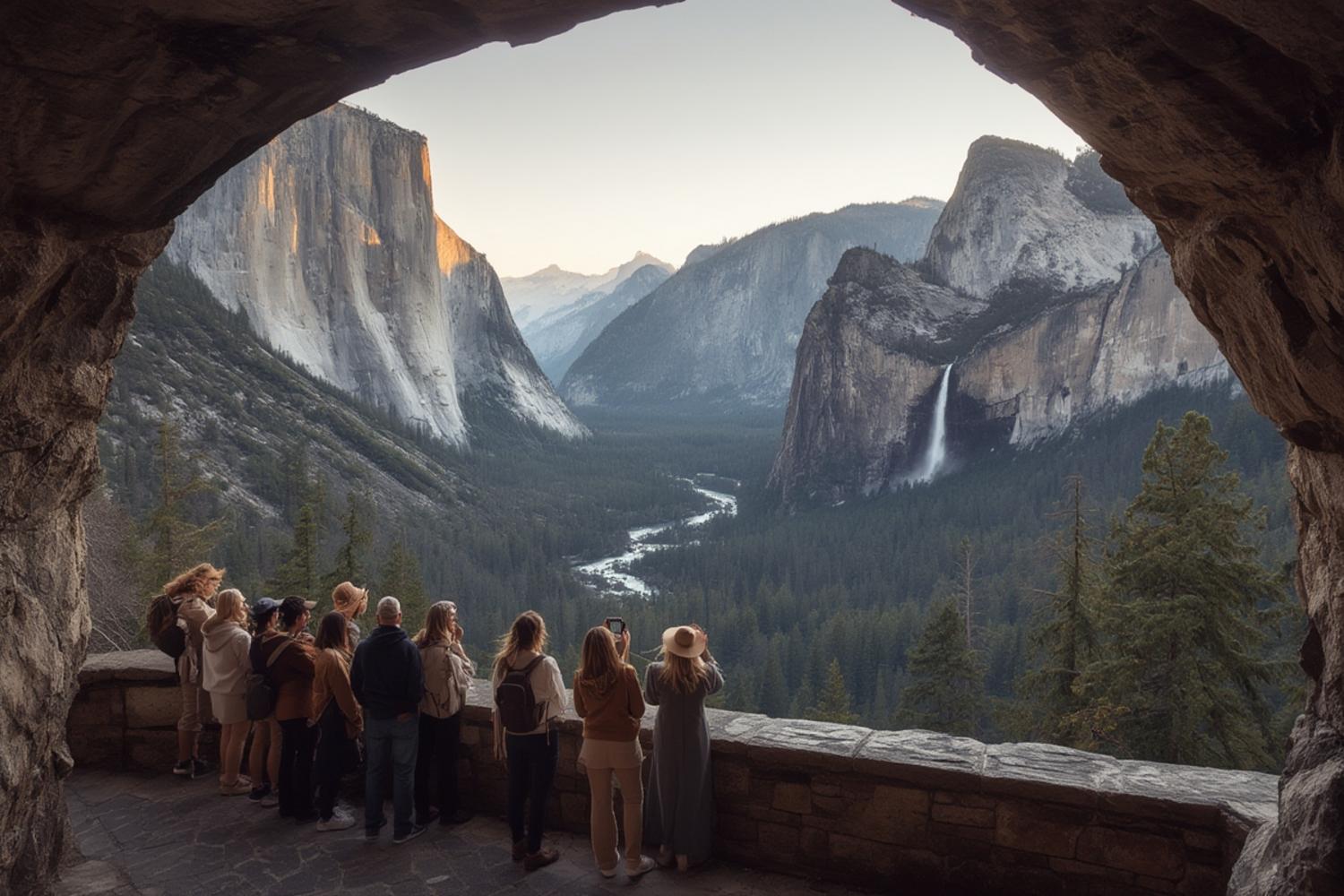
Begin your Valley Scenic Tours with a stop at Tunnel View, offering a postcard-perfect vista of El Capitan, Bridalveil Fall, and Half Dome. This iconic viewpoint provides an excellent introduction to the park’s grandeur. Next, explore the base of Bridalveil Fall, an easy walk showcasing its ethereal beauty. Continue towards Yosemite Valley Lodge for convenient access to Lower Yosemite Fall, another impressive and accessible waterfall.
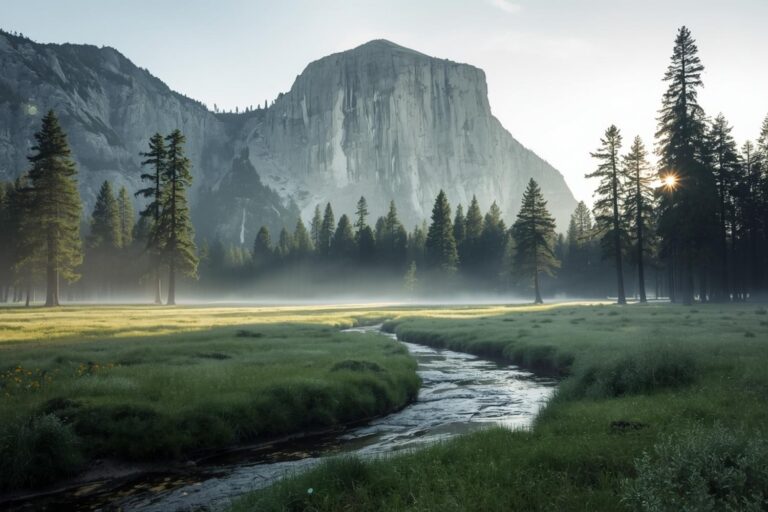
Consider a gentle stroll along the Merced River, capturing stunning reflections of the towering granite cliffs. The valley floor offers numerous photographic opportunities, highlighting the scale and majesty of the surrounding landscape. Keep an eye out for local wildlife, which often frequents these serene areas.
Mid-day: Majestic El Capitan and Beyond
Drive or shuttle towards El Capitan Meadow for unparalleled El Capitan views. This massive granite monolith is a world-renowned climbing destination, and you might spot climbers ascending its sheer face. Take some time to simply gaze up at its immense presence. Afterwards, head to Sentinel Meadow for different perspectives of El Capitan and Half Dome.
A picnic lunch amidst these scenic surroundings is highly recommended, allowing for a relaxed appreciation of the natural beauty. Alternatively, utilize the dining options available within Yosemite Valley. This part of your itinerary offers a chance for quiet contemplation or more active exploration, depending on your preference.
Afternoon: Glacier Point or Mariposa Grove (Seasonal)
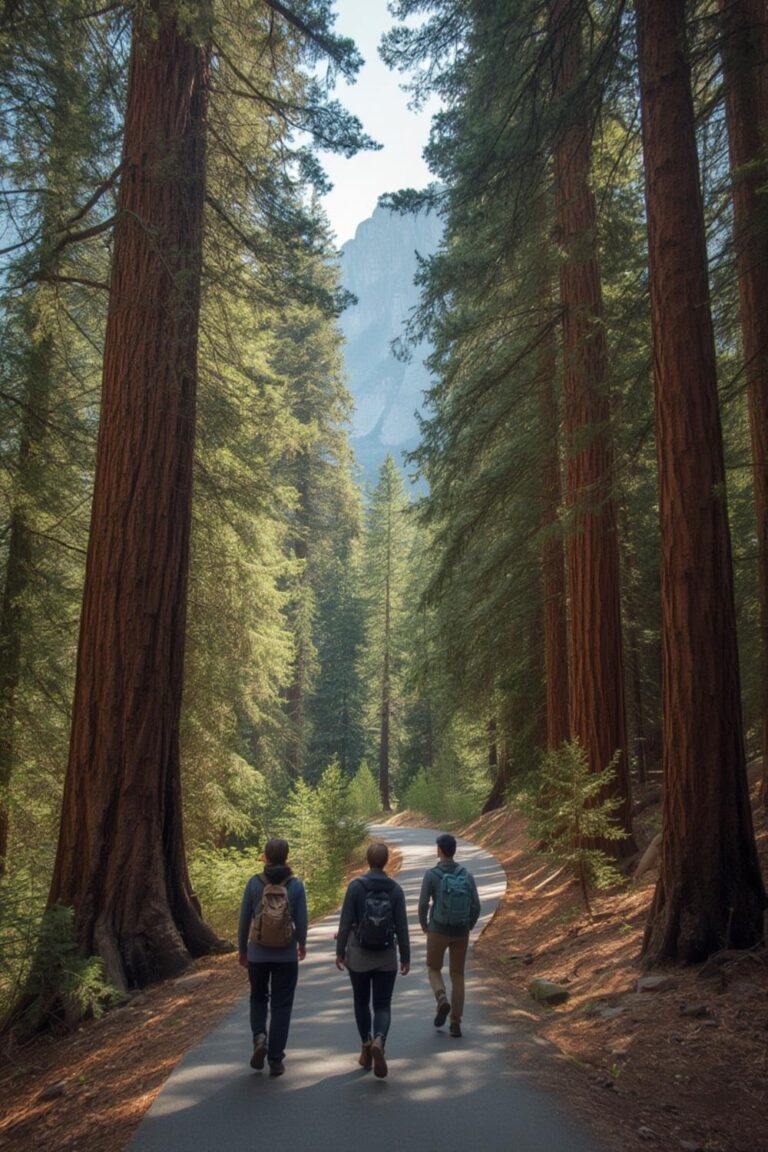
Depending on the season and road accessibility, an afternoon visit to Glacier Point offers panoramic views of Yosemite Valley, Half Dome, Yosemite Falls, and the High Sierra. The drive itself is scenic, leading to truly breathtaking vistas. This viewpoint provides a different perspective from the valley floor, showcasing the vastness of the park. Alternatively, if Glacier Point Road is closed, a visit to Mariposa Grove of Giant Sequoias is an awe-inspiring option.
Walking among these ancient giants offers a humbling experience, connecting you with nature’s enduring power. The tranquility of the grove provides a stark contrast to the dramatic cliffs of the valley. Ensure you check road conditions and shuttle availability for these locations, as transportation can vary seasonally.
Late Afternoon: Valley Loop Trail and Departure
Before departing, consider a segment of the Valley Loop Trail for a final immersion in the park’s beauty. This relatively flat trail offers various distances and views, including glimpses of the Merced River and historical sites. It’s an ideal way to stretch your legs and absorb the peaceful ambiance one last time.
Allow ample time for your return journey, especially if you are on a San Francisco day trip. Reflect on the day’s incredible sights and experiences as you leave this magnificent national park. Remember to leave no trace, preserving Yosemite’s pristine environment for everyone.
Cultural Insights
Yosemite’s rich history extends far beyond its establishment as a national park. The land holds deep significance for the Ahwahneechee people, who have inhabited the valley for thousands of years. Their connection to the landscape is profound, reflected in their traditions, stories, and stewardship of the land. Understanding this local culture adds another layer of appreciation to your visit.
Many of the iconic landmarks bear names derived from Ahwahneechee language and legends. For instance, “Yosemite” itself is thought to be derived from a Miwok term for the grizzly bear, which was also the name of a local tribe. Learning about these indigenous roots provides valuable context for the natural features you encounter.
Responsible tourism also involves respecting the park’s natural and cultural heritage. This means staying on marked trails, not disturbing wildlife, and leaving no trace of your visit. Engaging with park rangers and interpretive programs can offer deeper insights into both the ecological and human history of Yosemite. These interactions enrich your travel tips by connecting you directly with local expertise.
Common Mistakes to Avoid
Visiting a place as popular and vast as Yosemite can come with its challenges, but many can be avoided with proper preparation. One common mistake is underestimating the sheer size of the park and the travel times between attractions. Plan your itinerary realistically, allowing extra time for unexpected stops and traffic, especially during peak season. This is particularly relevant for those undertaking a San Francisco day trip, where time is often limited.
Another frequent oversight is neglecting to pack appropriate gear for varying weather conditions. Yosemite’s weather can change rapidly, with sunny mornings giving way to afternoon rain or cooler temperatures, even in summer. Always bring layers, rain protection, and plenty of water. Relying solely on cell service for navigation is also ill-advised, as connectivity is often spotty or nonexistent within the park; download offline maps or carry a physical one.
Failing to make advance reservations for lodging or tours is another pitfall, leading to limited options or disappointment, particularly for popular periods. Also, remember to respect wildlife; never feed animals or approach them closely. Keep a safe distance and store food properly to prevent attracting bears. By avoiding these common errors, your Yosemite Premium experience will be much smoother and more enjoyable, allowing you to focus on the natural beauty.
Conclusion
Yosemite National Park is more than just a destination; it’s an experience that rejuvenates the spirit and captivates the imagination. From the towering granite walls of El Capitan to the tranquil beauty of its valleys and groves, every corner of this park holds a promise of wonder. Whether you’re seeking adventure, serenity, or simply a connection with nature, Yosemite delivers an unparalleled journey. Planning your visit, especially as a San Francisco Day Trip, with careful attention to detail will ensure a truly memorable adventure. Embrace the grandeur, respect the wilderness, and let the magic of Yosemite leave an indelible mark on your heart.
FAQs
Q1: Is a San Francisco day trip to Yosemite feasible?
A: Yes, a San Francisco day trip to Yosemite is feasible, but it requires an early start and a long day of travel. Most tours depart very early in the morning, around 6 AM, and return late in the evening. While it allows for a glimpse of the main highlights like Yosemite Valley, a multi-day trip is recommended for a more in-depth exploration and to fully appreciate the park’s diverse offerings. Consider your energy levels and how much time you wish to spend actively exploring versus traveling.
Q2: What are the must-see attractions in Yosemite National Park?
A: The must-see attractions in Yosemite include Tunnel View, offering an iconic vista of El Capitan, Bridalveil Fall, and Half Dome. Yosemite Valley is home to Lower Yosemite Fall, Sentinel Dome, and the Merced River. For panoramic views, Glacier Point (seasonal) is unparalleled. Mariposa Grove of Giant Sequoias provides a humbling experience walking among ancient trees. Each of these offers unique and breathtaking perspectives of the park’s natural beauty, making your Valley Scenic Tours unforgettable.
Q3: What kind of wildlife can I expect to see in Yosemite?
A: Yosemite National Park is home to a diverse array of wildlife. You might spot black bears (always maintain a safe distance and store food properly), deer, coyotes, and various bird species including Steller’s jays and peregrine falcons. Less commonly, bobcats and mountain lions inhabit the park, though they are rarely seen. Observing wildlife from a distance is crucial for both your safety and the animals’ well-being, contributing to responsible tourism.
Q4: What are the best hiking trails for beginners in Yosemite?
A: For beginners, the Lower Yosemite Fall Trail is an easy, paved loop offering stunning views of the waterfall. The Cook’s Meadow Loop is another flat, accessible trail providing beautiful views of Yosemite Valley, El Capitan, and Half Dome. The Mirror Lake Trail is also relatively flat and offers reflections of Half Dome. Always wear appropriate footwear and carry water, even on shorter hikes, as part of good travel tips for the park.
Q5: How should I handle transportation within Yosemite National Park?
A: During peak season, utilizing the free shuttle bus system in Yosemite Valley is highly recommended to reduce traffic and parking issues. The shuttle serves major viewpoints, trailheads, and lodging areas. Outside the valley, driving your own vehicle is often necessary, but check for road closures, especially in winter. For comprehensive Valley Scenic Tours, sometimes guided tours from San Francisco offer seamless transportation directly into the park, reducing personal logistical burdens. Bicycle rentals are also available for exploring the valley floor on designated paths.

