

 Mountain Tours
Are you dreaming of an unforgettable Mt Fuji One Day Tour from the bustling heart of Tokyo? Japan’s iconic Mount Fuji, with its majestic, snow-capped peak, beckons travelers worldwide. This comprehensive guide will equip you with all the insights needed to plan and experience a perfect day trip to this natural wonder. Prepare for a magnificent Tokyo adventure that combines breathtaking scenery with rich cultural experiences.
Table of Contents
Travel Essentials & Gear
Embarking on a Mt Fuji One Day Tour requires thoughtful preparation to ensure comfort and enjoyment. The weather around Mount Fuji can be unpredictable, often differing significantly from Tokyo’s climate. Layered clothing is always recommended, allowing you to adapt to changing temperatures throughout the day.
Consider packing a waterproof or windproof jacket, even during warmer months, as the altitude can bring unexpected chills. Comfortable walking shoes are essential, especially if your itinerary includes exploring scenic spots like Arakurayama Sengen Park or the traditional village of Oshino Hakkai. Sun protection, including sunscreen, sunglasses, and a hat, is also crucial, as sunlight can be intense at higher elevations.
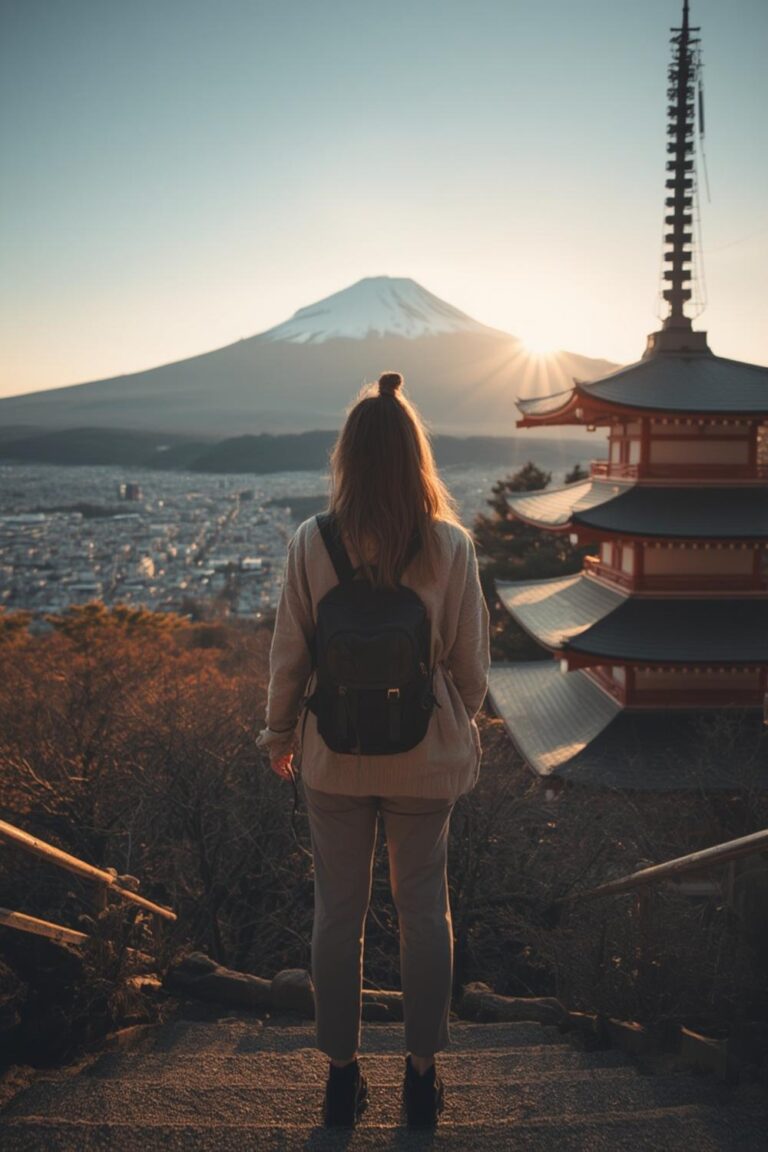
Don’t forget your camera to capture the stunning vistas of Mount Fuji from various perspectives. A portable power bank for your electronic devices is highly advisable to keep your phone charged for navigation and photography. Finally, carry a small backpack for your essentials, including water and some snacks, though many tour stops offer opportunities for refreshments.
- Waterproof/Windproof Jacket
- Comfortable Walking Shoes
- Sunscreen, Sunglasses, Hat
- Camera and Portable Power Bank
- Small Backpack with Water and Snacks
- Any personal medications
Best Timing & Planning for Your Journey to Mount Fuji
The best time for a Mt Fuji One Day Tour largely depends on your priorities for scenic views and activities. Spring (April-May) is famous for cherry blossoms framing the mountain, creating postcard-perfect scenes. Autumn (October-November) offers spectacular fall foliage, painting the landscape in vibrant reds and golds.
Summer (July-August) allows for clear views, though the lower altitudes can be quite warm. This is also the official climbing season for Mount Fuji itself, but a one-day tour typically focuses on viewing points rather than ascending the peak. Winter (December-February) provides the clearest, most crisp views of a snow-covered Fuji, though temperatures will be cold.
When planning your trip, consider whether a private tour or a group tour suits your travel style. Private tours offer flexibility and personalized itineraries, allowing you to spend more time at your preferred locations. Group tours are often more budget-friendly and provide a convenient, structured experience with transportation and a guide included.
Booking in advance, especially during peak seasons, is highly recommended to secure your preferred dates and tour options. Check weather forecasts closer to your travel date to make informed decisions about your gear and any potential itinerary adjustments.
Step-by-Step Itinerary
A well-planned Mt Fuji One Day Tour from Tokyo typically involves several iconic stops, offering diverse perspectives of the majestic mountain. Your day will begin with an early departure from Tokyo, either by bus, train, or private vehicle, heading towards the Fuji Five Lakes region. This area provides some of the most famous and breathtaking views of Mount Fuji.
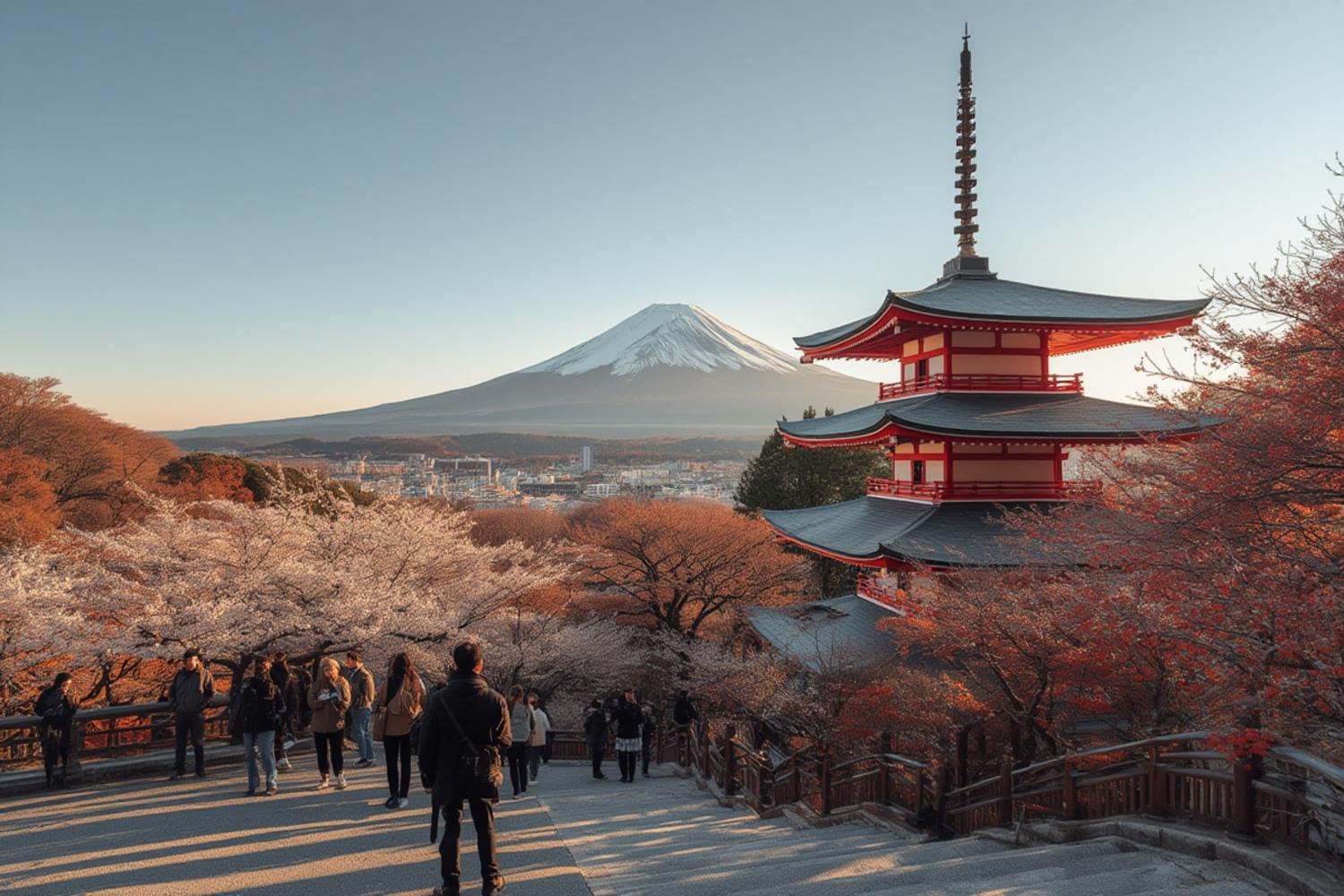
The first major stop often includes Arakurayama Sengen Park, famous for its Chureito Pagoda. From this vantage point, you can capture the iconic shot of the pagoda with Mount Fuji perfectly framed in the background, especially stunning during cherry blossom season. The climb to the pagoda involves a significant number of steps, but the reward is undoubtedly worth the effort for this quintessential Japanese scene.
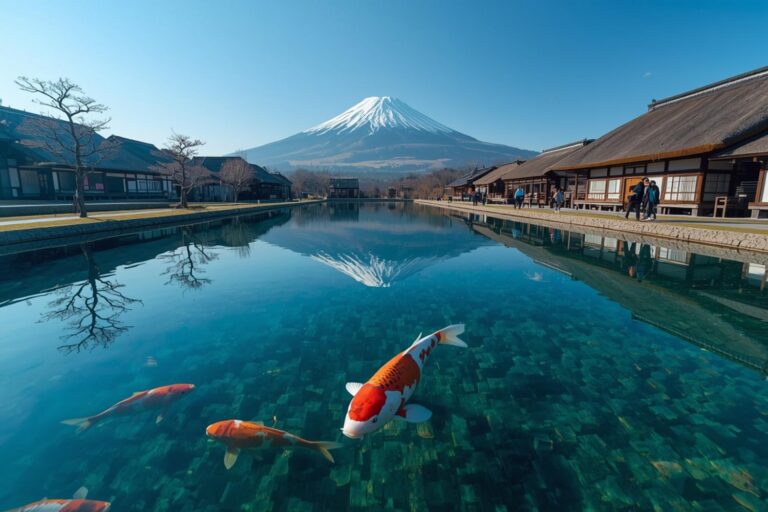
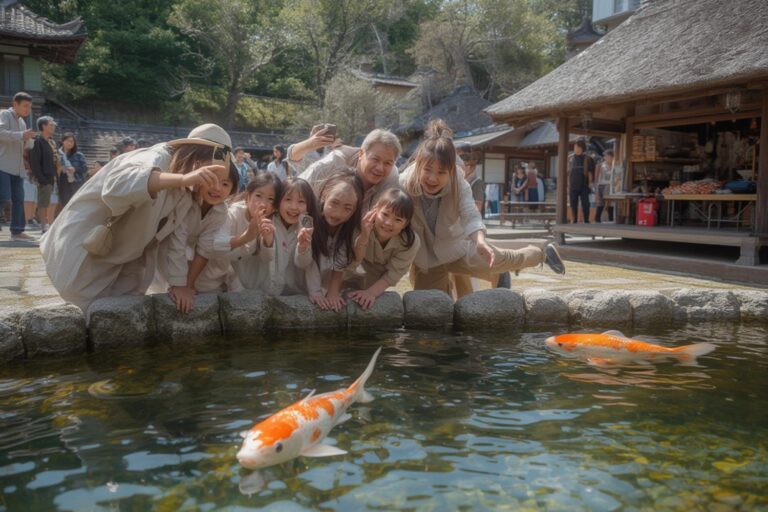
Next on the itinerary is usually Oshino Hakkai, a traditional Japanese village known for its eight crystal-clear spring water ponds. These ponds are fed by melted snow from Mount Fuji, and the village offers a glimpse into rural Japanese life with thatched-roof houses and scenic pathways. It’s a wonderful place to sample local delicacies and purchase souvenirs.
Lake Kawaguchiko is another essential stop, offering various activities and viewing points. You might enjoy a leisurely boat cruise on the lake, providing unique reflections of Fuji on calm days. Alternatively, the Kachi Kachi Ropeway offers panoramic views of the lake and Mount Fuji from an elevated position. Lunch often takes place in this area, with numerous restaurants offering local cuisine.
Depending on your chosen tour or transportation, a visit to the Fuji Subaru Line 5th Station might be included. This is the highest point accessible by vehicle on Mount Fuji and offers stunning close-up views. It serves as a popular starting point for climbers and provides amenities like shops and restaurants. After a full day of exploration, you will begin your return journey to Tokyo, typically arriving in the evening, filled with incredible memories of your Mt Fuji One Day Tour.
Cultural Insights for Your Mt Fuji Journey
Understanding local culture and etiquette enhances any travel experience, especially on a trip to a revered site like Mount Fuji. The mountain itself holds profound spiritual significance in Japan, considered a sacred peak and a symbol of the nation. Respect for nature and local traditions is paramount during your visit.
When visiting temples or shrines, such as those found in Arakurayama Sengen Park, observe common courtesies. These include bowing upon entering and exiting, purifying hands and mouth at the purification fountain (temizuya), and offering a small coin before praying. Photography is generally permitted, but always be mindful of signage and avoid disturbing worshippers.
In villages like Oshino Hakkai, you’ll encounter traditional Japanese architecture and local vendors. It’s polite to ask permission before taking close-up photos of people or their stalls. Embrace the opportunity to try local foods and interact respectfully with residents. Even on a private tour, a brief understanding of these customs can greatly enrich your experience.
Japanese hospitality, known as ‘omotenashi,’ is exceptional. You’ll find tour guides, shopkeepers, and service staff to be incredibly helpful and polite. A simple “arigato gozaimasu” (thank you very much) goes a long way in showing appreciation for their service. Immerse yourself in the serene beauty and cultural richness of the region.
Common Mistakes to Avoid on Your Day Trip
To ensure your Mt Fuji One Day Tour runs smoothly, being aware of common pitfalls can save you time and discomfort. One frequent mistake is underestimating travel time. While Tokyo and Fuji appear close, traffic and public transport connections can add significant time to your journey. Always factor in extra time for transfers and potential delays.
Another common error is failing to check the weather forecast for the Fuji region, not just Tokyo. Mount Fuji often has its own microclimate, and what might be sunny in the city could be cloudy, rainy, or much colder near the mountain. This can lead to inadequate clothing and missed views.
Over-scheduling your day is also a mistake to avoid. While it’s tempting to cram every possible attraction into a single day, rushing from one spot to another can detract from the experience. Prioritize a few key locations that genuinely interest you, allowing enough time to appreciate each one fully. This is especially true for those on a self-guided Tokyo adventure.
Finally, not booking transportation or tours in advance, particularly during peak seasons, can lead to disappointment. Popular tours and train tickets to the Fuji region sell out quickly. Secure your arrangements ahead of time to guarantee your spot and ensure a stress-free experience. Whether opting for a private tour or public transport, planning is key.
Conclusion: Your Unforgettable Fuji Adventure Awaits
A Mt Fuji One Day Tour from Tokyo offers an incredible escape into Japan’s natural beauty and cultural heritage. From the iconic vistas of Arakurayama Sengen Park to the tranquil ponds of Oshino Hakkai, every stop on this journey promises a unique perspective of Mount Fuji. With careful planning regarding timing, gear, and itinerary, you’re set for an unforgettable experience.
Whether you choose the flexibility of a private tour or the convenience of a group tour, the majesty of Fuji will undoubtedly leave a lasting impression. Embrace the journey, soak in the breathtaking scenery, and create memories that will last a lifetime. Prepare for your ultimate Tokyo adventure to Japan’s most celebrated peak!
FAQs About Your Mt Fuji One Day Tour
Q1: What’s the best way to get to Mount Fuji from Tokyo for a day trip?
A1: The most common ways include taking a direct bus from Shinjuku or Tokyo Station, riding a train to the Fuji Five Lakes region (often requiring transfers), or joining an organized group tour. Each option offers different levels of convenience and cost, depending on your preferences. A private tour provides the most flexibility.
Q2: Can I climb Mount Fuji during a one-day tour?
A2: No, climbing Mount Fuji is not feasible as part of a one-day tour from Tokyo. The climb itself typically takes 6-10 hours to ascend and 3-6 hours to descend, usually requiring an overnight stay. One-day tours focus on viewing points around the base of the mountain, such as the 5th Station or the Fuji Five Lakes area.
Q3: What if the weather is bad and Mount Fuji isn’t visible?
A3: Unfortunately, visibility of Mount Fuji is highly dependent on weather conditions. While tours still proceed in inclement weather, there’s no guarantee of clear views. It’s advisable to check forecasts, but even then, conditions can change rapidly. Some tours offer alternative activities in case of poor visibility, but direct refunds for obstructed views are rare.
Q4: Are there options for solo travelers, a private tour, or group tours?
A4: Absolutely! Solo travelers can easily join group tours, which are a popular and cost-effective option. Many operators also offer private tour services, providing a more personalized and flexible itinerary for individuals or small groups. This allows you to customize your Mt Fuji One Day Tour experience to your exact needs.
Q5: What are some must-see spots around Mount Fuji on a day trip?
A5: Essential stops often include Arakurayama Sengen Park for its iconic pagoda view, Oshino Hakkai for traditional village charm and spring water ponds, and Lake Kawaguchiko for serene reflections and various recreational activities. The Fuji Subaru Line 5th Station also offers close-up views and facilities. These spots provide excellent photo opportunities and a diverse experience of the region.

