

 City Tour
Introduction
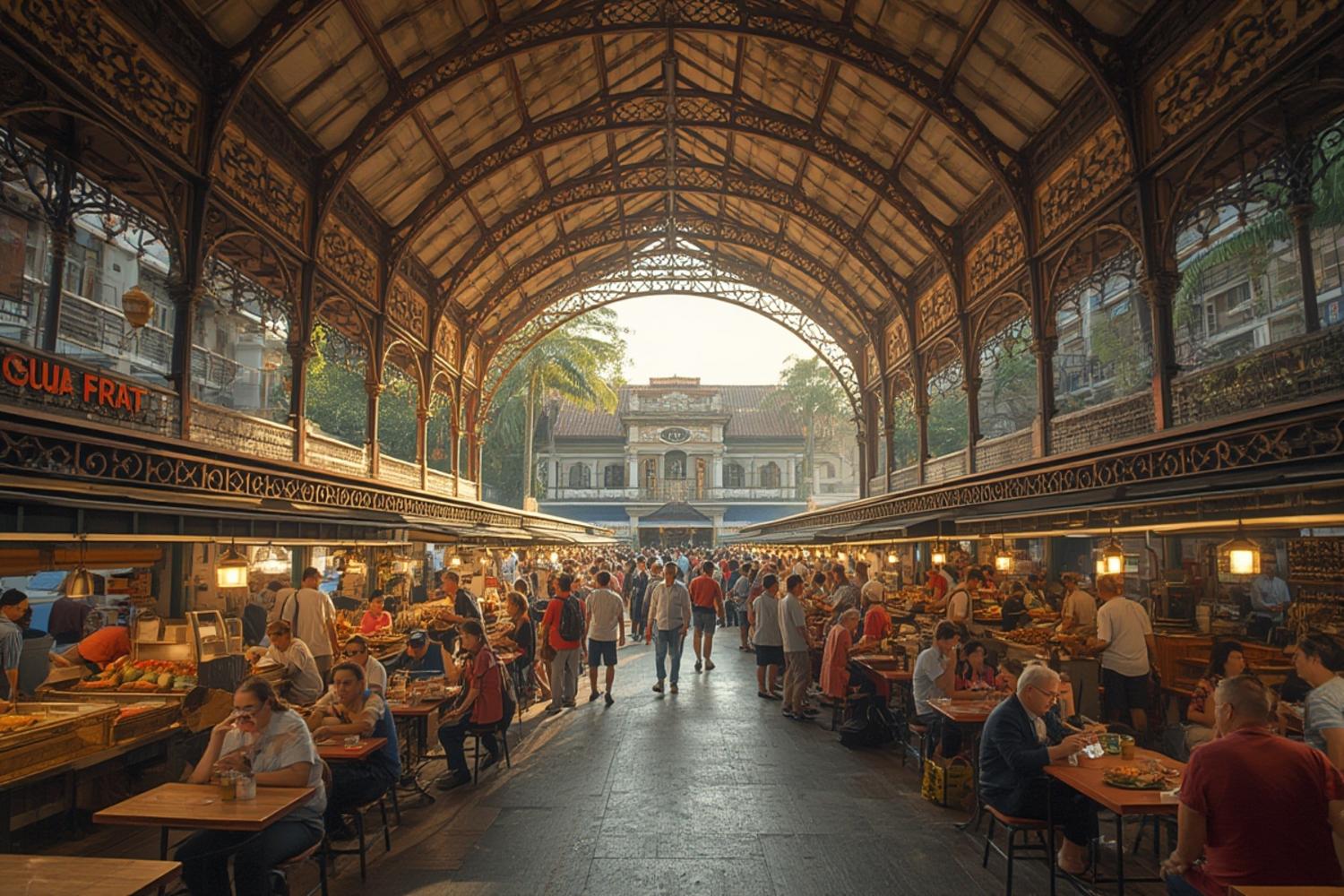
Embark on an extraordinary journey beyond the typical tourist trails and discover the true heart of the Lion City. A Local Singapore Tour offers an unparalleled opportunity to immerse yourself in the vibrant culture, rich history, and diverse culinary landscape that defines this captivating island nation. Forget the guidebooks for a moment; we’re diving deep into the authentic experiences that truly make Singapore shine, from bustling hawker centers to serene hidden gardens and historic neighborhoods. This guide provides insider tips for a truly memorable local experience.
Table of Contents
Singapore is a melting pot of traditions and modernity, where every corner tells a story. Getting off the beaten path allows you to connect with the local pulse, sample authentic flavors, and appreciate the unique blend of influences that have shaped this dynamic city.
Travel Essentials & Gear
Preparing for your local Singapore adventure requires a few key essentials to ensure comfort and convenience. The tropical climate means lightweight, breathable clothing is a must. Pack quick-drying fabrics to combat humidity and be ready for occasional rain showers. Comfortable walking shoes are non-negotiable, as exploring local neighborhoods and markets often involves considerable strolling.
- Lightweight, breathable clothing (cotton, linen, moisture-wicking materials)
- Comfortable walking shoes or sandals
- Compact umbrella or rain jacket for sudden downpours
- Reusable water bottle to stay hydrated in the humid weather
- Portable power bank for your devices, especially for navigation and photos
- Sunscreen, sunglasses, and a wide-brimmed hat for sun protection
- Insect repellent, particularly if visiting green spaces or during dusk
- Small daypack for carrying essentials, souvenirs, and snacks
- Universal travel adapter (Type G plug is standard in Singapore)
- Copies of important documents (passport, visa, bookings) both digital and physical
When considering transportation, Singapore boasts an excellent public transport system, including the MRT (Mass Rapid Transit) and extensive bus networks. Purchasing an EZ-Link card or a Singapore Tourist Pass makes navigating the city incredibly seamless and cost-effective. These are invaluable for any comprehensive local Singapore experience.
Don’t forget a good camera or smartphone with ample storage to capture the vibrant scenes and delicious food you’ll encounter. A translation app can also be helpful, though English is widely spoken across the island.
Best Timing & Planning
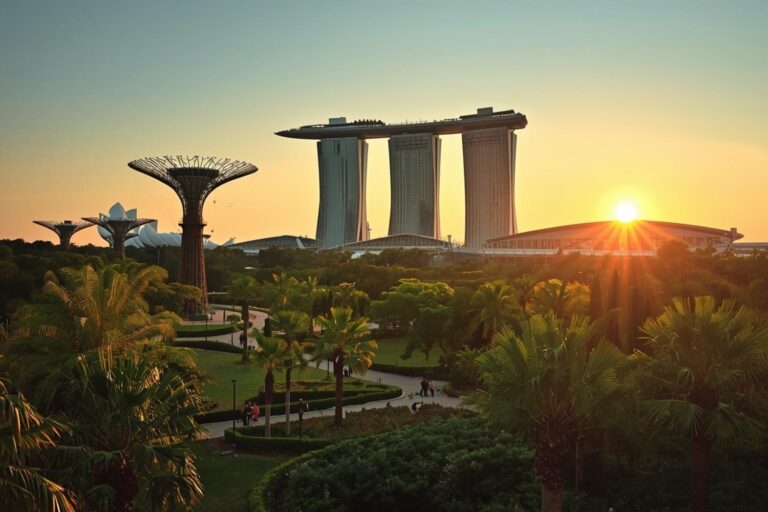
The best time to plan your local Singapore tour is typically between February and April. During these months, the weather is generally drier and slightly cooler, offering more comfortable conditions for exploring the city on foot. However, Singapore is a year-round destination, with consistent temperatures hovering around 26-32°C (79-90°F).
Peak tourist seasons often coincide with major holidays like Christmas, New Year, and Chinese New Year, leading to larger crowds and higher prices for accommodation and flights. If you prefer a quieter experience, consider visiting during the off-peak months, though you might encounter more frequent rainfall. Planning your visit outside of these busy periods can enhance your Singapore local experience significantly.
When planning your itinerary, factor in Singapore’s compact size, which makes it easy to explore multiple neighborhoods in a single day. Utilize the efficient public transportation system to maximize your time. Booking popular attractions or dining experiences in advance, especially for weekend visits, is always a good idea to avoid disappointment. Research local festivals or events happening during your visit to truly immerse yourself in the culture.
Step-by-Step Itinerary
A well-planned itinerary is crucial for a fulfilling local Singapore tour. Here’s a suggested multi-day plan designed to give you a deep dive into Singapore’s unique charm, focusing on authentic local culture and experiences rather than just the tourist hotspots.
Day 1: Heritage and Hawker Delights in Chinatown & Tiong Bahru
- Morning: Start your day in Chinatown. Explore the vibrant streets, visit the Buddha Tooth Relic Temple, and browse traditional shophouses. Wander through the bustling markets and soak in the atmosphere.
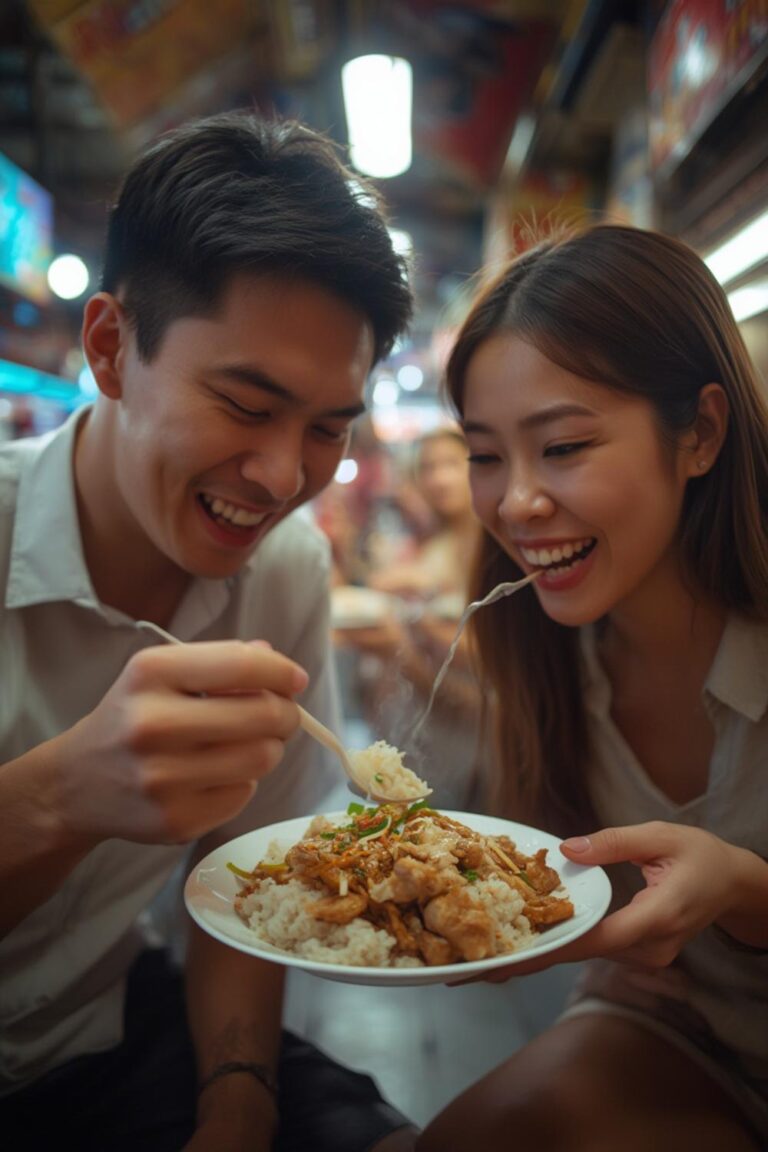
- Lunch: Head to the Maxwell Food Centre for an authentic hawker lunch. Try Hainanese Chicken Rice or a plate of delicious Char Kway Teow. This is a quintessential Singapore local experience.
- Afternoon: Take a leisurely stroll through the charming neighborhood of Tiong Bahru. Discover its art deco architecture, independent boutiques, and trendy cafes. Visit the Tiong Bahru Market for fresh produce and local snacks.
- Evening: Enjoy dinner at one of Tiong Bahru’s renowned local eateries, followed by a drink at a cozy bar.
Day 2: Cultural Immersion in Little India & Kampong Glam
- Morning: Immerse yourself in the vibrant sights, sounds, and smells of Little India. Visit the Sri Veeramakaliamman Temple, explore Mustafa Centre (a 24-hour shopping mall), and admire the colorful shophouses.
- Lunch: Savor authentic Indian cuisine at a restaurant along Serangoon Road or explore the Tekka Centre for more hawker options.
- Afternoon: Journey to Kampong Glam, Singapore’s Malay-Arab quarter. Explore the majestic Sultan Mosque, wander through Haji Lane with its street art and independent shops, and learn about the area’s rich heritage.
- Evening: Indulge in traditional Malay or Middle Eastern fare in Kampong Glam, perhaps enjoying a shisha at a cafe.
Day 3: Nature, Art & Local Life in the East Coast & Joo Chiat
- Morning: Head to the East Coast Park for a dose of nature and recreation. Rent a bicycle, enjoy a walk along the beach, or simply relax by the sea.
- Lunch: Discover the culinary gems of Joo Chiat and Katong, a heritage precinct known for its Peranakan culture. Sample Katong Laksa or delicious Nonya kueh (traditional snacks).
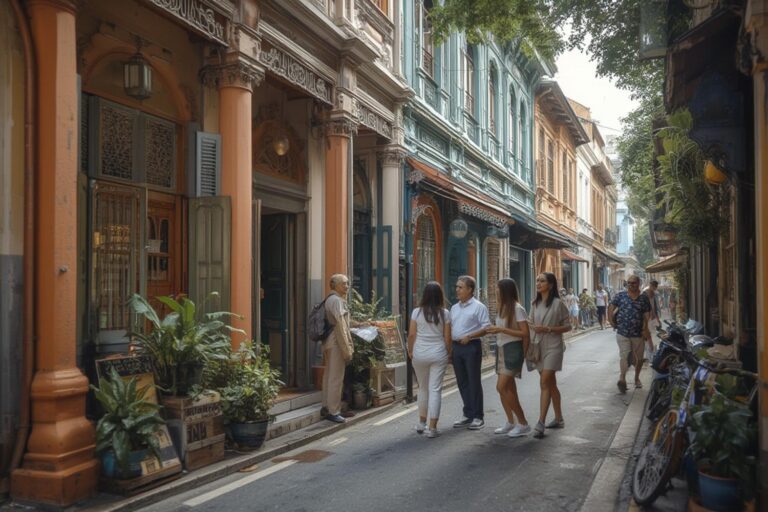
- Afternoon: Explore the colorful Peranakan shophouses and heritage homes in Joo Chiat. Visit the Katong Antique House or simply admire the unique architecture and vibrant facades.
- Evening: Experience a local seafood dinner at one of the East Coast Lagoon Food Village hawker stalls, enjoying the sea breeze.
Day 4: Off-the-Beaten-Path & Culinary Workshops
- Morning: Consider visiting Pulau Ubin, a rustic island accessible by bumboat from Changi Point Ferry Terminal. Rent a bike and explore the island’s untouched nature and traditional kampong (village) life – a stark contrast to urban Singapore.
- Lunch: Enjoy simple local fare on Pulau Ubin, or return to the mainland for lunch in the Changi Village area.
- Afternoon: Participate in a local cooking class to learn how to prepare Singaporean dishes like Chili Crab or Laksa. This is an excellent way to truly experience Singaporean local culture firsthand.
- Evening: Enjoy the fruits of your labor from the cooking class, or seek out a unique dining experience recommended by locals.
This itinerary provides a blend of historical insights, cultural immersion, and culinary exploration. Remember to leave some room for spontaneity; sometimes the best discoveries are made when you simply wander and observe local life. Don’t shy away from asking locals for their recommendations on hidden gems and eateries.
Cultural Insights
Understanding Singaporean local culture is key to a respectful and enriching visit. Singapore is a harmonious blend of Chinese, Malay, Indian, and Eurasian cultures, each contributing to its unique identity. Politeness and respect for elders are deeply ingrained values. When visiting temples or mosques, dress modestly, covering your shoulders and knees. Remember to remove your shoes before entering homes or places of worship.
Food is a central part of Singaporean life and culture. Sharing meals is common, and hawker centers are a cornerstone of daily dining. It’s customary to “chope” (reserve) a table at a hawker center using tissue packets while you order your food – a quirky local tradition! Tipping is not customary and is sometimes discouraged, as service charges are often included in bills.
Singapore also has strict laws regarding littering, chewing gum (imported for sale is prohibited), and public consumption of alcohol after certain hours. Adhering to these rules shows respect for the local environment and community. Public displays of affection are generally discreet, and maintaining personal space is appreciated. Learning a few basic phrases in Malay (hello = ‘Selamat Pagi’/’Selamat Sejahtera’), Mandarin (‘Ni Hao’), or Tamil (‘Vanakam’) can also go a long way in connecting with locals.
Common Mistakes to Avoid
Even seasoned travelers can fall prey to common missteps when exploring a new city. Being aware of these can significantly enhance your local Singapore tour.
- **Over-planning every minute:** While an itinerary is good, leave room for spontaneous discoveries. Some of the best local Singapore experiences come from wandering aimlessly.
- **Only eating in air-conditioned restaurants:** The true culinary heart of Singapore beats in its hawker centers. Don’t miss out on these affordable and authentic food havens.
- **Ignoring local customs:** Be mindful of cultural etiquette, especially when visiting religious sites. Dress appropriately and be respectful of local traditions.
- **Not staying hydrated:** Singapore’s humidity can be intense. Carry a water bottle and drink frequently to avoid dehydration.
- **Underestimating walking distances:** While public transport is excellent, exploring neighborhoods often involves a lot of walking. Wear comfortable shoes.
- **Forgetting about strict local laws:** Be aware of rules against littering, jaywalking, and public consumption of alcohol outside designated hours.
- **Not using public transportation:** Taxis and ride-sharing are available, but the MRT and bus systems are incredibly efficient, clean, and a cost-effective way to get around like a local.
- **Only visiting major tourist attractions:** While iconic sites are great, make an effort to explore residential neighborhoods, local markets, and less-frequented parks for a deeper understanding of the city.
By avoiding these common mistakes, your exploration of Singapore will be smoother, more enjoyable, and truly authentic. Embrace the local pace and allow yourself to be surprised by the everyday charms of the city.
Conclusion
A local Singapore tour is an adventure for the senses, offering far more than just postcard-perfect sights. It’s an invitation to delve into a dynamic metropolis where diverse cultures coexist, culinary traditions thrive, and modern marvels meet lush green spaces. By embracing local transportation, savoring hawker fare, respecting cultural nuances, and venturing beyond the usual tourist circuits, you unlock the authentic spirit of this incredible nation.
From the bustling streets of Chinatown to the serene beauty of the Botanic Gardens, every corner of Singapore promises a unique discovery. Remember our travel tips: pack light, stay hydrated, and always be open to new experiences. For an even richer dive into the island’s heritage and traditions, consider a dedicated Singapore Culture Tour, which often highlights the intricate tapestry of its communities and history. Singapore truly offers an unforgettable journey for every kind of explorer.
FAQs
Q1: What is the best way to get around during a local Singapore tour?
A1: The Mass Rapid Transit (MRT) system and public buses are the most efficient and cost-effective ways to navigate Singapore. The network is extensive, clean, and punctual. Consider purchasing an EZ-Link card or a Singapore Tourist Pass for unlimited rides. Taxis and ride-sharing services like Grab are also readily available, though more expensive. Walking is excellent for exploring specific neighborhoods once you’ve arrived via public transport.
Q2: Is Singapore an expensive city for local experiences?
A2: Singapore can be perceived as expensive, but local experiences, especially culinary ones, can be very affordable. Eating at hawker centers is incredibly budget-friendly, with delicious meals costing just a few Singapore Dollars. Public transportation is also inexpensive. Accommodation and alcoholic beverages tend to be the most significant expenses. By focusing on local food and public transport, you can have an authentic and economical local Singapore experience.
Q3: What are some must-try local dishes in Singapore?
A3: A local Singapore tour wouldn’t be complete without sampling its famous cuisine. Must-try dishes include Hainanese Chicken Rice, Laksa (spicy coconut milk noodle soup), Char Kway Teow (stir-fried flat rice noodles), Chili Crab, Satay (grilled skewered meat), and Popiah (fresh spring rolls). Don’t forget to try traditional breakfast like Kaya Toast with soft-boiled eggs and Kopi (local coffee).
Q4: Are there any specific cultural etiquette tips for visitors?
A4: Yes, a few key cultural etiquette tips will enhance your visit. Always remove your shoes when entering someone’s home or a place of worship. Dress modestly when visiting religious sites, covering your shoulders and knees. Use tissue packets to “chope” (reserve) seats at hawker centers. Handing money or items with your right hand is generally preferred. Avoid pointing with your index finger; a whole hand gesture is considered more polite. And remember Singapore’s strict laws against littering and chewing gum.
Q5: Can I explore Singapore’s natural side during a local tour?
A5: Absolutely! While known for its urban landscape, Singapore boasts beautiful green spaces. Beyond the iconic Gardens by the Bay, explore the UNESCO-listed Botanic Gardens, MacRitchie Reservoir Park for treetop walks, or the Southern Ridges for panoramic views and lush trails. For a truly rustic escape, take a short ferry ride to Pulau Ubin, an island that feels like a step back in time to old Singapore and offers rich biodiversity and traditional kampong life.

