

 Mountain Tours
Introduction
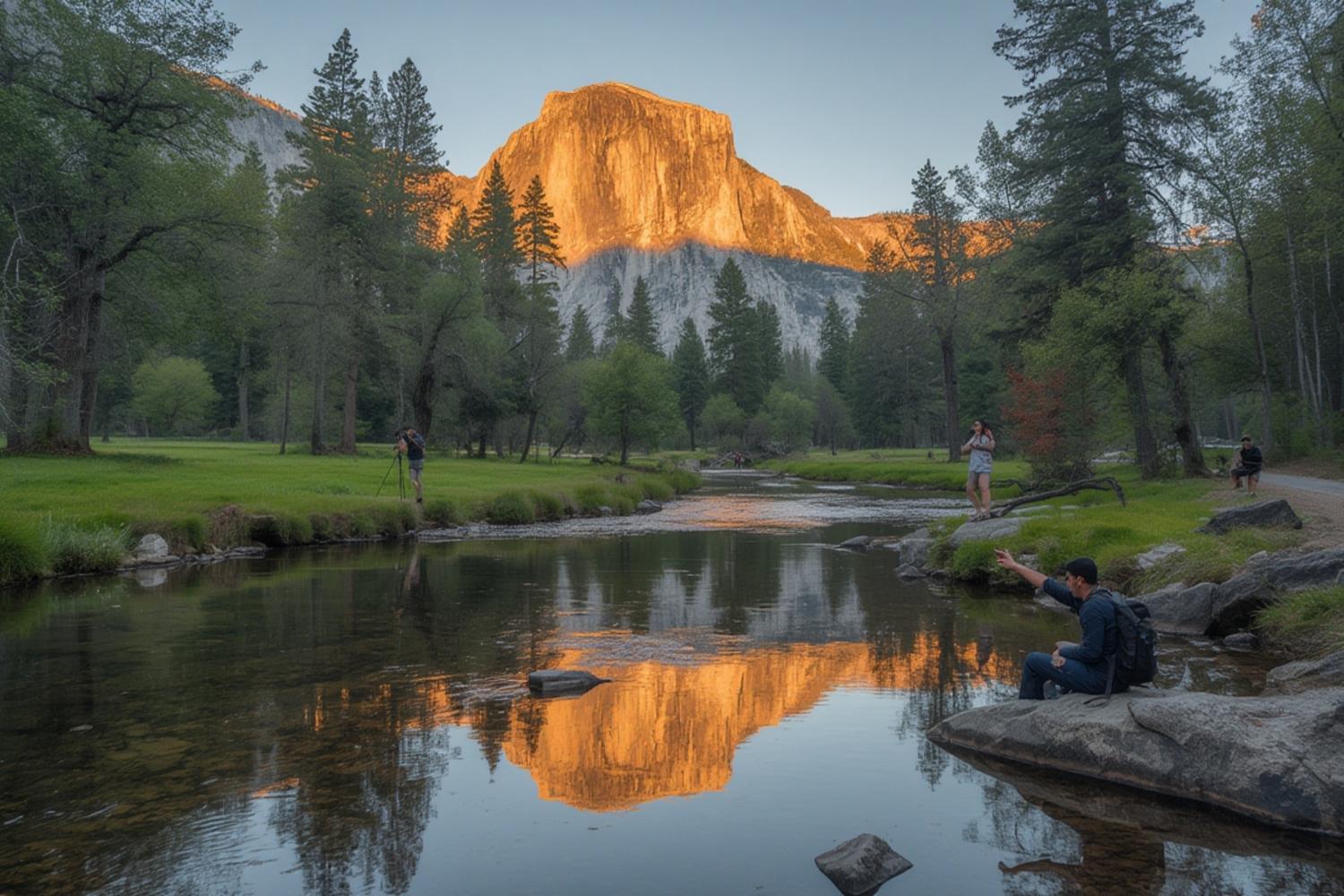
Are you dreaming of colossal granite cliffs, towering waterfalls, and ancient sequoia groves? A Yosemite Tour offers an unforgettable escape into one of America’s most cherished national parks. This guide is your ultimate companion to planning an awe-inspiring adventure amidst nature’s grandeur.
Table of Contents
Prepare to immerse yourself in breathtaking landscapes and create memories that will last a lifetime.
Travel Essentials & Gear
Packing wisely is crucial for enjoying the diverse environments of Yosemite National Park. Layered clothing is highly recommended, as temperatures can vary significantly from morning to evening, especially at different elevations.
Always bring sturdy, comfortable hiking boots suitable for uneven terrain. Don’t forget a reusable water bottle, sunscreen, a wide-brimmed hat, and insect repellent.
- Hydration System: A reusable water bottle or hydration pack is essential to stay hydrated throughout your explorations.
- Footwear: Waterproof hiking boots with good ankle support are ideal for trails and changing weather.
- Layers of Clothing: Pack moisture-wicking base layers, insulating mid-layers, and a waterproof outer shell.
- Sun Protection: Sunscreen, sunglasses, and a hat are vital due to the high elevation and clear skies.
- Navigation Tools: A detailed map of the park, a compass, or a reliable GPS device are highly recommended.
- First-Aid Kit: A basic kit with essentials for minor injuries, blisters, and personal medications.
- Snacks: Energy-rich snacks like trail mix, nuts, and fruit to keep you fueled during hikes.
- Camera Gear: Capture the stunning vistas with your camera, extra batteries, and memory cards.
Best Timing & Planning
Choosing the best time for your Yosemite adventure greatly depends on the experiences you seek. Spring (April-May) offers spectacular waterfall flows and blooming wildflowers, while summer (June-August) provides warm weather perfect for extensive hiking and exploring higher elevations.
Autumn (September-October) brings fewer crowds and vibrant fall foliage, whereas winter (November-March) transforms the park into a snowy wonderland, ideal for cross-country skiing and snowshoeing, though some roads may close.
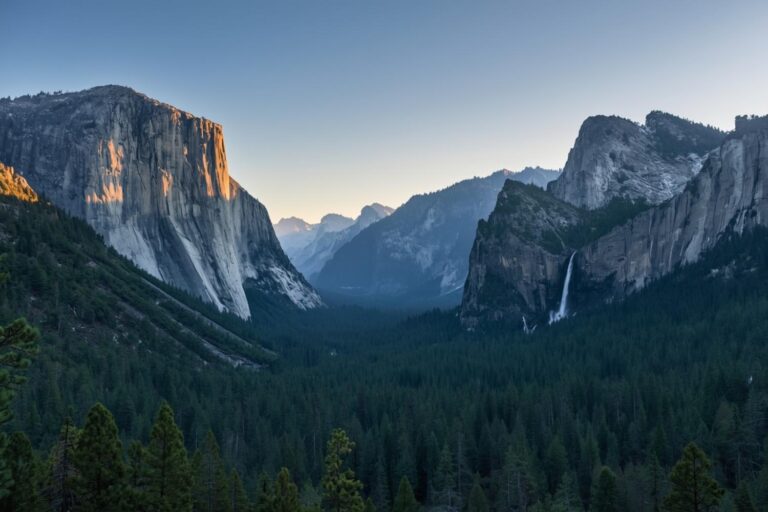
Early planning is key, especially for peak season travel. Secure your accommodations, whether it’s lodging within the park or a nearby campsite, months in advance.
Consider transportation options; driving your own vehicle offers flexibility, but park shuttles are excellent for navigating popular areas once you’re inside. Be sure to check the National Park Service website for current conditions, road closures, and reservation requirements before your trip.
Step-by-Step Itinerary
A well-planned itinerary ensures you make the most of your time in this magnificent park. While a single day offers a glimpse, several days allow for deeper exploration.
Begin your adventure in Yosemite Valley, home to iconic landmarks like El Capitan, Half Dome, and Yosemite Falls. Take advantage of the shuttle system to easily access various viewpoints and trailheads.
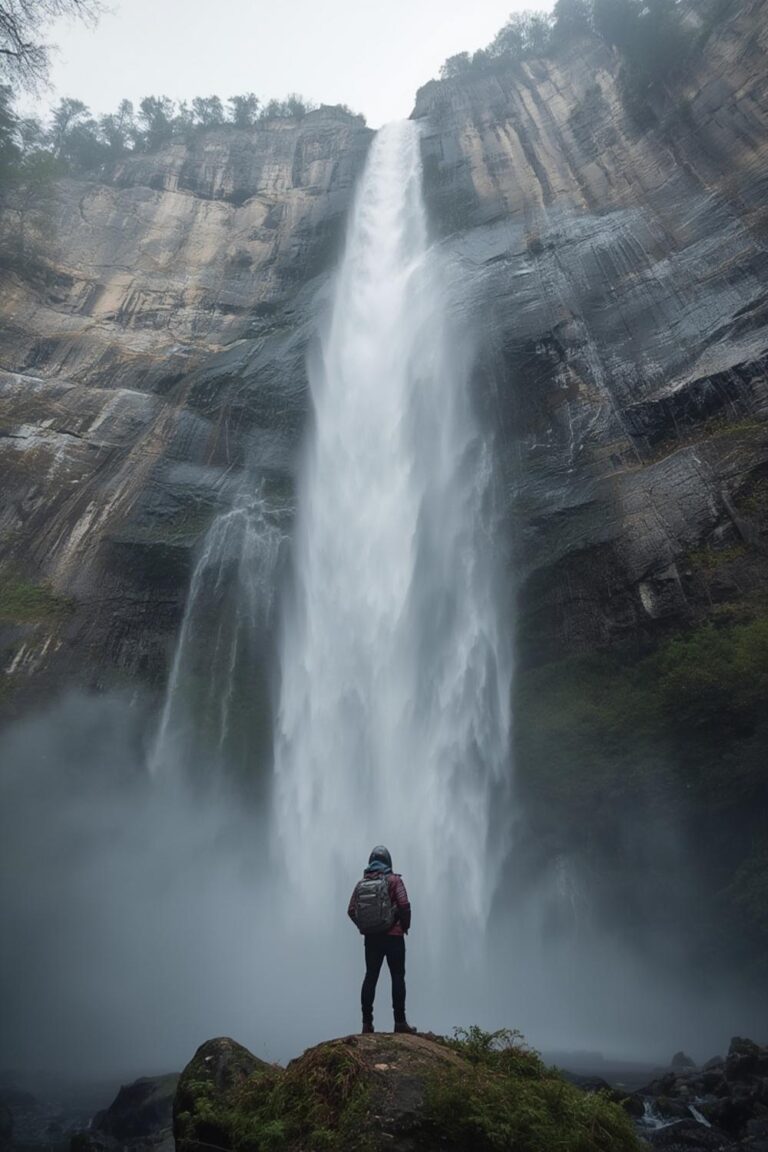
Dedicate time to hiking, from leisurely strolls along the valley floor to challenging ascents offering panoramic views. Consider a hike to Vernal Fall or Nevada Fall via the Mist Trail for a truly immersive experience.
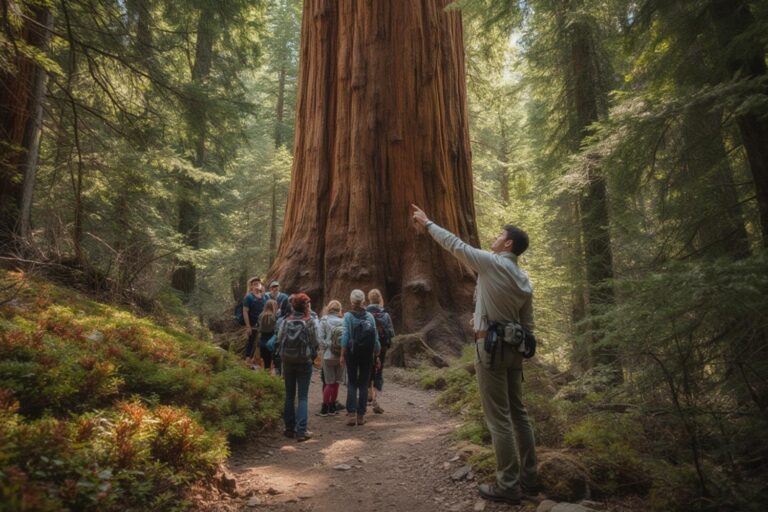
Beyond the Valley, explore the giant sequoias in Mariposa Grove or venture to Glacier Point for unparalleled views of Half Dome and the High Sierra. Remember to factor in travel time between different sections of the park.
Cultural Insights
Yosemite National Park is not only a natural wonder but also a place rich in history and cultural significance. It has been home to indigenous people, primarily the Miwok and Paiute, for thousands of years, who lived sustainably with the land.
Their enduring connection to Yosemite is an important aspect of its local culture. The park’s establishment in 1864, thanks to the efforts of figures like John Muir, marked a pivotal moment in conservation.
Visitors are encouraged to respect the park’s natural and cultural heritage. This includes staying on marked trails, practicing Leave No Trace principles, and learning about the park’s history at visitor centers.
By understanding and appreciating its past, we contribute to the preservation of Yosemite for future generations.
Common Mistakes to Avoid
To ensure a smooth and enjoyable journey, be aware of common pitfalls that can hinder your Yosemite experience. One frequent mistake is underestimating the park’s sheer size and the time it takes to travel between attractions.
Avoid over-scheduling your days; instead, allow flexibility for spontaneous discoveries and relaxation. Another common oversight is failing to book accommodations and permits well in advance, especially during peak season.
Not packing appropriate gear for varying weather conditions can also lead to discomfort. Always check the weather forecast and road conditions before and during your trip to be prepared.
Finally, remember to carry enough water and snacks, as services can be limited in certain areas. Proper preparation is your best defense against unexpected challenges.
Conclusion
A journey through Yosemite National Park promises an unparalleled connection with nature’s majesty. From the thunderous power of its waterfalls to the serene quiet of its ancient groves, every moment here is an invitation to wonder.
Armed with these travel tips and insights, you’re now ready to plan an incredible adventure. For more detailed information and comprehensive planning resources, be sure to consult an excellent yosemite visitor guide.
FAQs
Q: What is the best time of year to visit Yosemite National Park?
A: The “best” time depends on your interests. Spring (April-May) is ideal for waterfalls, while summer (June-August) offers warm weather for hiking. Fall (September-October) boasts beautiful foliage and fewer crowds. Winter (November-March) provides a serene, snowy landscape for winter sports.
Q: Do I need reservations to enter Yosemite National Park?
A: During peak seasons or for certain areas like Yosemite Valley, timed entry or vehicle reservations may be required. Always check the official National Park Service website (nps.gov/yose) well in advance of your trip for the most current entry requirements and reservation details.
Q: How many days are recommended for a Yosemite Tour?
A: While a day trip offers a taste of the park’s beauty, 3-5 days are generally recommended to experience the main highlights, including Yosemite Valley, Glacier Point, and the Mariposa Grove of Giant Sequoias, without feeling rushed.
Q: What are the must-see attractions in Yosemite?
A: Iconic attractions include Yosemite Falls, Half Dome, El Capitan, Tunnel View, Glacier Point, and Mariposa Grove. Each offers a unique perspective of the park’s grandeur and should be on every visitor’s list.
Q: Is public transportation available within Yosemite National Park?
A: Yes, Yosemite Valley offers a free shuttle bus system that provides convenient access to many popular viewpoints, trailheads, and park facilities. During peak seasons, it’s an excellent way to navigate the valley and reduce vehicle traffic.

